Gemstone authentication is no longer just a scientific challenge—it’s a business necessity. As global markets for rubies, sapphires, emeralds, and diamonds face mounting risks from synthetic and treated stones, gemological labs must shift from traditional methods to faster, more accurate, and scalable technologies. This article examines how micro-X-ray fluorescence (μ-XRF) and macro-X-ray fluorescence (m-XRF) are becoming essential across the gemstone industry, overcoming the limitations of traditional techniques.
The Business Problem
Gemological laboratories are confronting a fast-evolving market landscape. Today, they must authenticate a growing volume of gemstones more rapidly and accurately, while preserving the integrity of each valuable specimen. Traditional methods—including optical microscopy, UV-Vis and Raman spectroscopy, bulk XRF, and even destructive techniques like laser ablation—often fall short when tested against the demands of speed, detail, scalability, and sample safety.
The stakes are higher than ever. A recent Financial Times exposé found that as much as 50% of gemstone beads in circulation may be synthetic or fake, creating new detection challenges throughout the supply chain. Meanwhile, consumer sentiment strongly favors authenticity: a 2023 survey revealed that 70% of buyers prioritize natural gemstones over synthetic alternatives.
“Everybody wants a lab report now, and why do they want a lab report? Because they don’t trust the industry to supply the proper information.”
— Eric Braunwart, founder of Columbia Gem House
At the same time, stricter trade regulations and rising client expectations demand airtight documentation of a gemstone’s authenticity, origin, and treatment history.
What’s at Stake? Revenue. Reputation. Reliability.
The Introduction and Evolution of XRF in Gemology
In the 1980s, X-ray fluorescence (XRF) spectrometry was introduced to gemological laboratories as a non-destructive method for assessing chemical composition. This innovation enabled labs to detect treatments such as lead glass fillings in rubies and to differentiate between high- and low-iron rubies for determining their origin. While conventional XRF marked a breakthrough, its limitations soon became apparent, particularly in terms of spatial resolution and the need for extensive sample preparation. Traditional XRF required bulky, prepared samples that poorly represented the natural inhomogeneities of gemstones. MicroXRF emerged as a solution, refining the technique by focusing X-ray beams onto much smaller areas, allowing detailed elemental mapping with minimal sample preparation and preserving gemstone integrity through non-destructive analysis.
MicroXRF and MacroXRF as Strategic Infrastructure
Offering rapid, non-destructive elemental analysis without the need for complex preparation or sample alteration, μ-XRF and m-XRF technologies deliver significant advantages for modern materials characterization. Key capabilities include:
- Identification of elemental zoning and chromophore distributions
- Detection of treatments such as glass-filling, diffusion, or irradiation
- Differentiation between natural and synthetic origins
- Analysis of mounted, polished, or rough stones without damage
By utilizing focused X-ray beams (μ-XRF) and larger collimated optics (m-XRF), these technologies produce elemental maps essential for verifying authenticity and assessing quality.
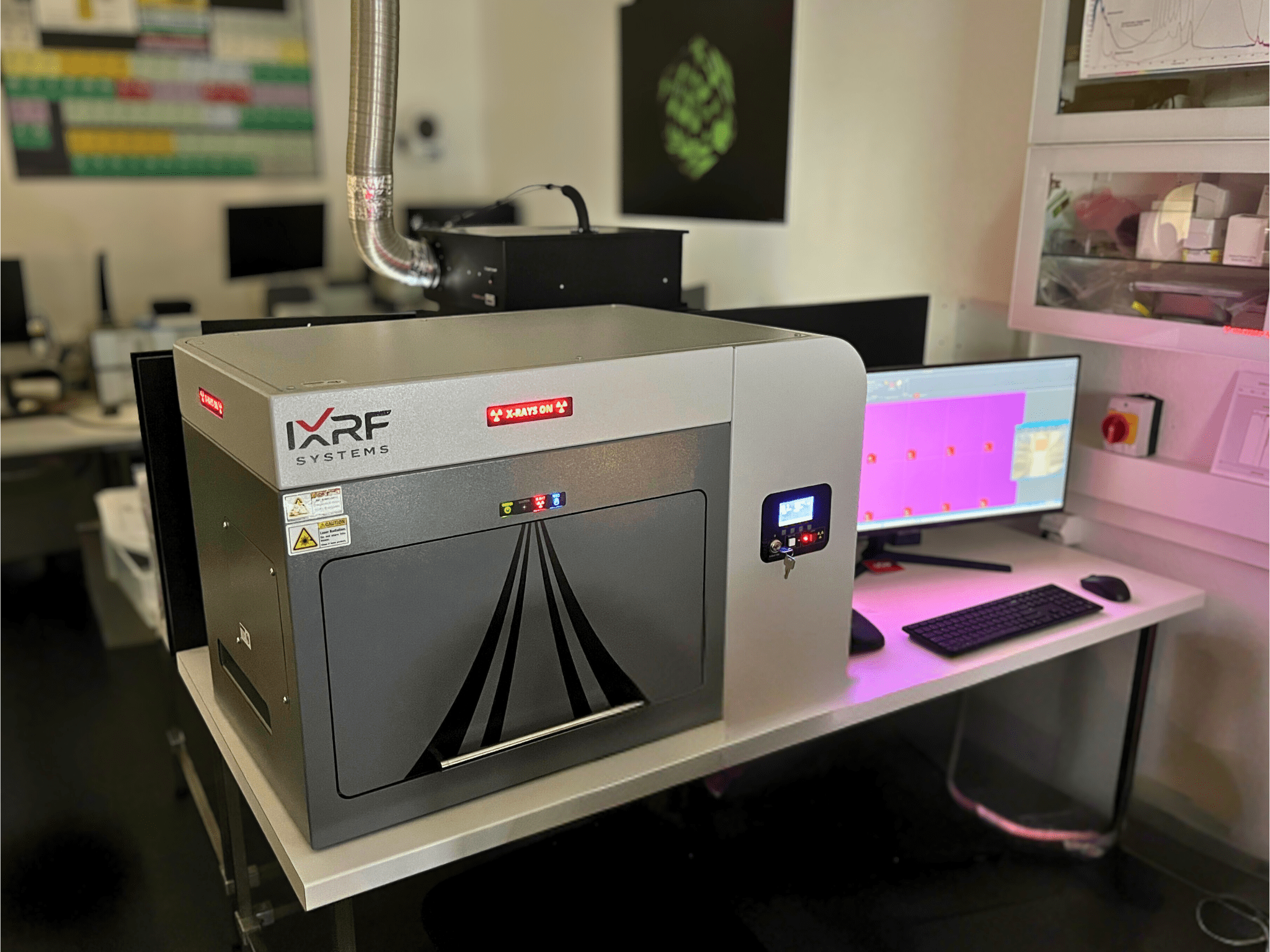
Figure 1. Veritas MacroXRF Instrument installed at a central gemological laboratory: Providing critical elemental profiles in authenticating gemstones, detecting treatments, and assessing provenance with greater reliability. It enabled the laboratory to differentiate between natural, treated, and synthetic gemstones more effectively, reducing the risk of misidentification.
microXRF vs. macroXRF: Complementary Strengths
While both technologies are based on X-ray fluorescence principles, they serve different analytical purposes:
- μ-XRF: Utilizes highly focused beams (typically tens of micrometers) through polycapillary optics, providing exceptional spatial resolution ideal for detailed elemental mapping and detecting subtle chemical differences within individual gemstones.
- m-XRF: Uses larger beam sizes and collimated optics, designed for high throughput and rapid analysis of multiple gemstones at once, sacrificing some spatial resolution for greater efficiency.
Comparative Techniques in Gemstone Analysis
| Technique | Destructive Nature | Strengths | Typical Uses |
| μ-XRF | Non-destructive | High spatial resolution, detailed elemental mapping | Detailed authenticity verification, mapping inclusions |
| m-XRF | Non-destructive | Large beam size, high throughput, rapid analysis | Bulk gemstone screening, rapid authenticity checks |
| Bulk XRF | Generally non-destructive | Rapid bulk elemental analysis, minimal sample preparation | Preliminary screening, bulk compositional analysis |
| SEM | Generally non-destructive (requires coating) | High-resolution imaging, morphological analysis | Surface morphology, supplemental elemental data |
| LA-ICP-MS | Micro-destructive | Ultra-sensitive trace element detection, high precision | Definitive origin determination, detailed trace analysis |
Revealing Hidden Features and Enhancements
MicroXRF and macroXRF allow labs to uncover key features that traditional methods cannot see. For example, elemental mapping can reveal filled fractures, growth banding, and distributions of trace elements. These insights depend on:
- High-flux, stable X-ray sources
- Multiple spot sizes are adaptable to gemstone dimensions
- Vacuum or helium-purged environments enhance detection sensitivity
- Rapid scanning capabilities across large trays or mounted samples
IXRF’s Veritas and Atlas: Designed for Gemological Excellence
IXRF Systems specifically designed the Veritas macroXRF and Atlas microXRF instruments to meet the demanding requirements of gemological laboratories.
- Veritas m-XRF: Optimized for high-throughput workflows, capable of analyzing up to 240 gemstones simultaneously. It significantly boosts productivity without compromising sensitivity for treatment detection and elemental fingerprinting.
- Atlas μ-XRF: Tailored for detailed, high-resolution analyses such as identifying inclusions or subtle chemical variations within gemstones, offering spatial resolutions below 20 micrometers.
These platforms enable faster, more reliable analysis, allowing labs to improve service quality, reduce turnaround times, increase client trust, and analyze large or oddly shaped samples important to gemology, including sizable cinnabar pieces, large rough gemstones, decorative carvings, and mounted jewelry.
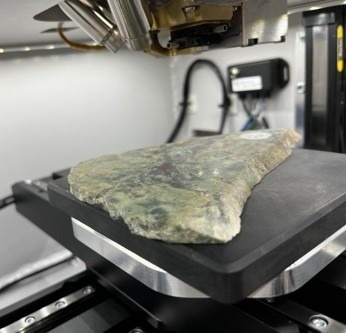
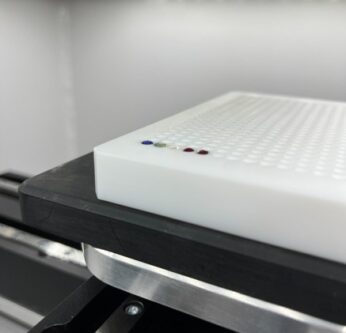
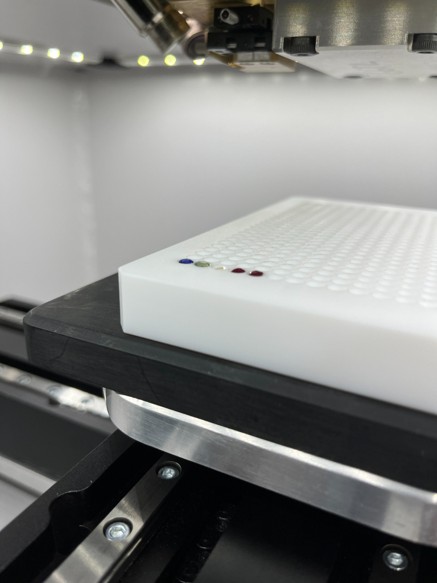
Figure 2. Inside the sample chamber of the Veritas m-XRF. Provides a fully automated macro-scale XRF system designed for high-throughput elemental mapping, supports non-destructive analysis of large-format samples or multiple items simultaneously.
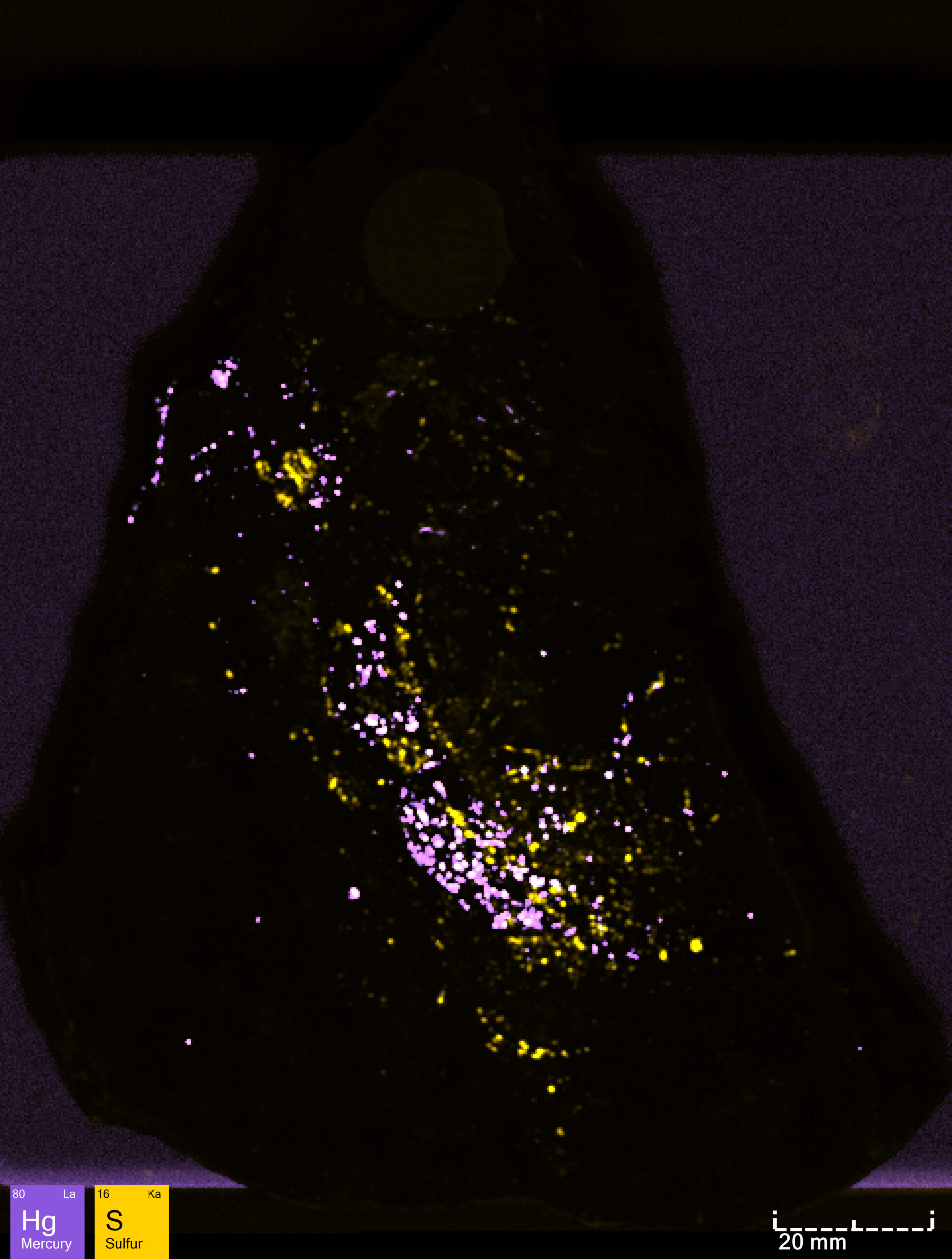
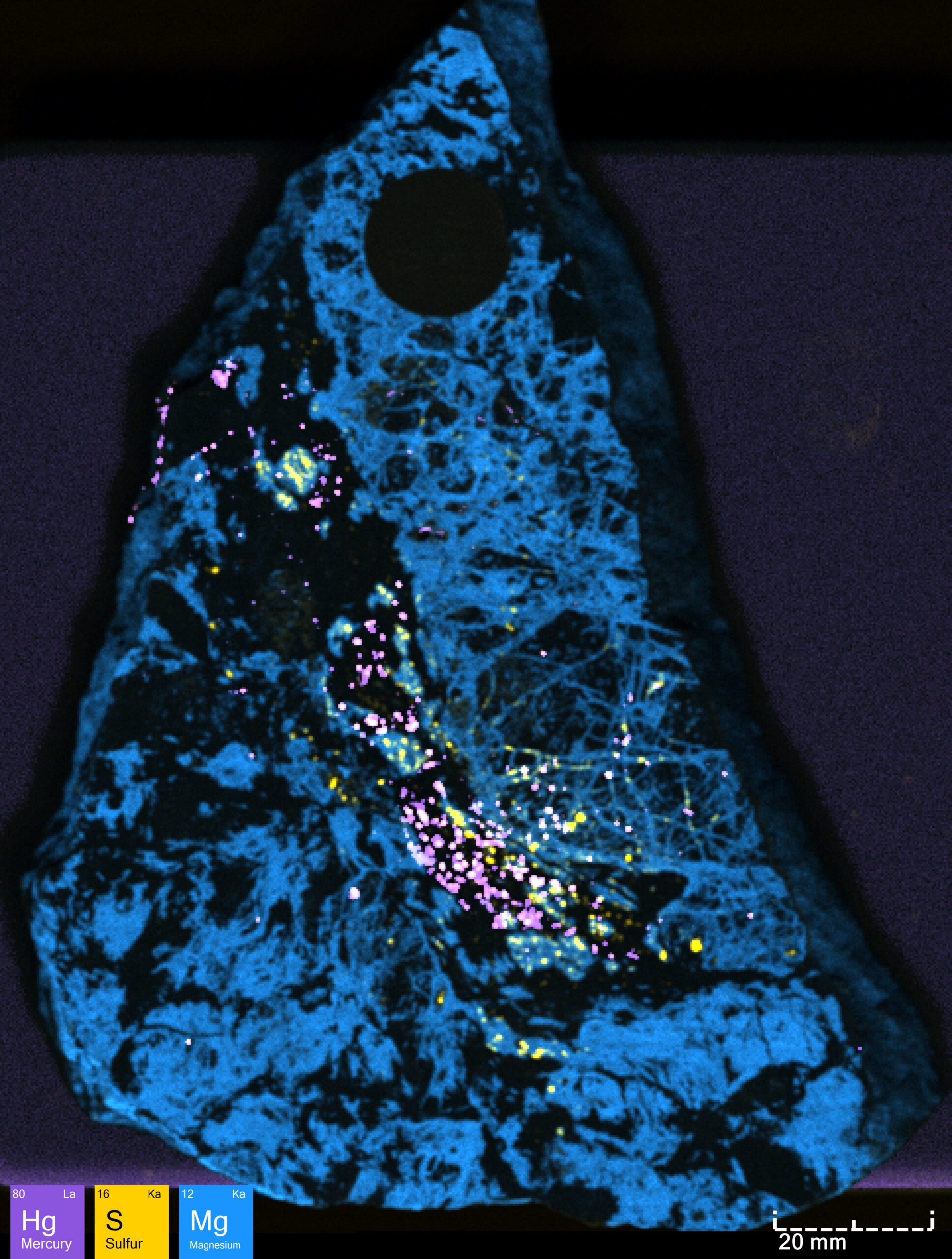
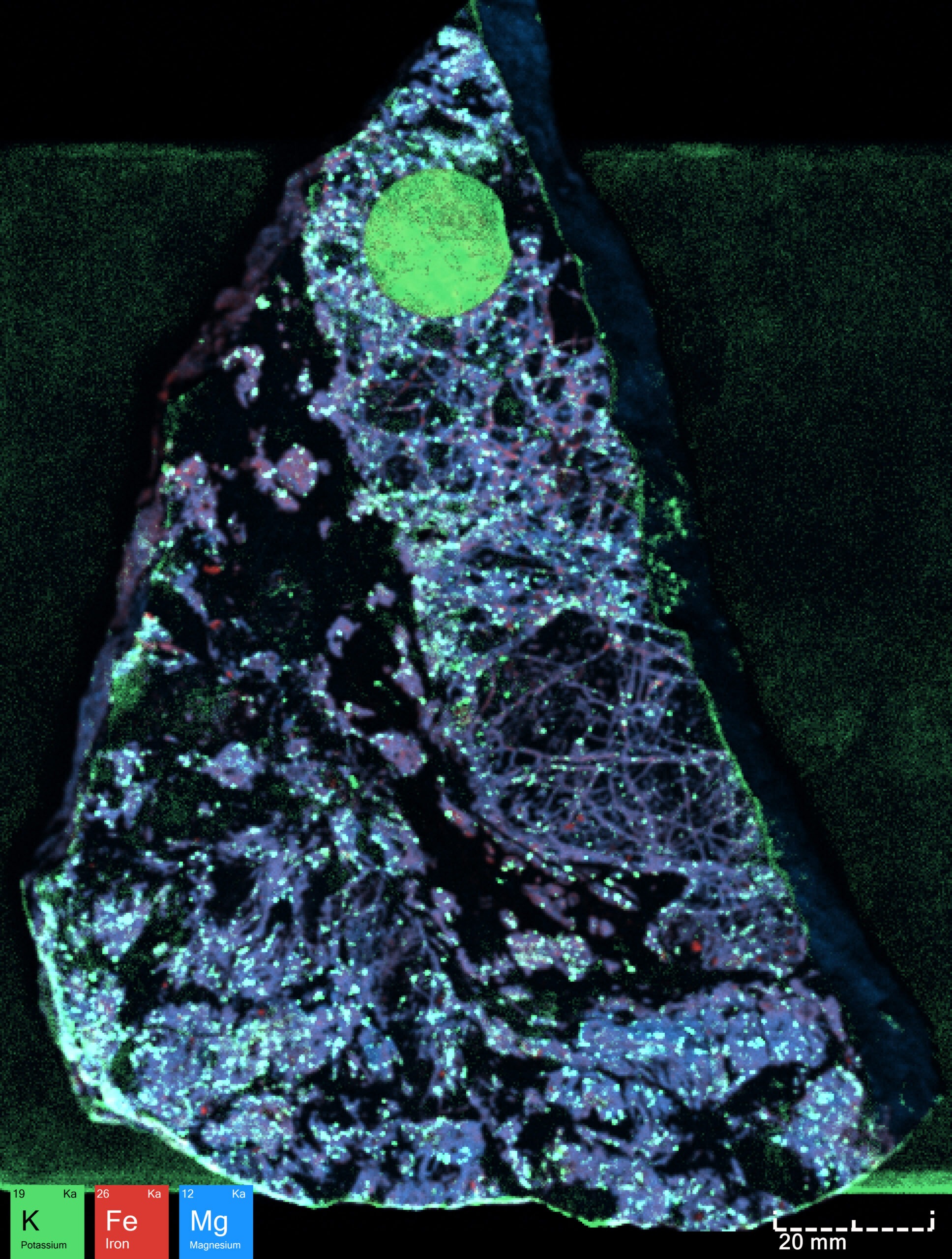
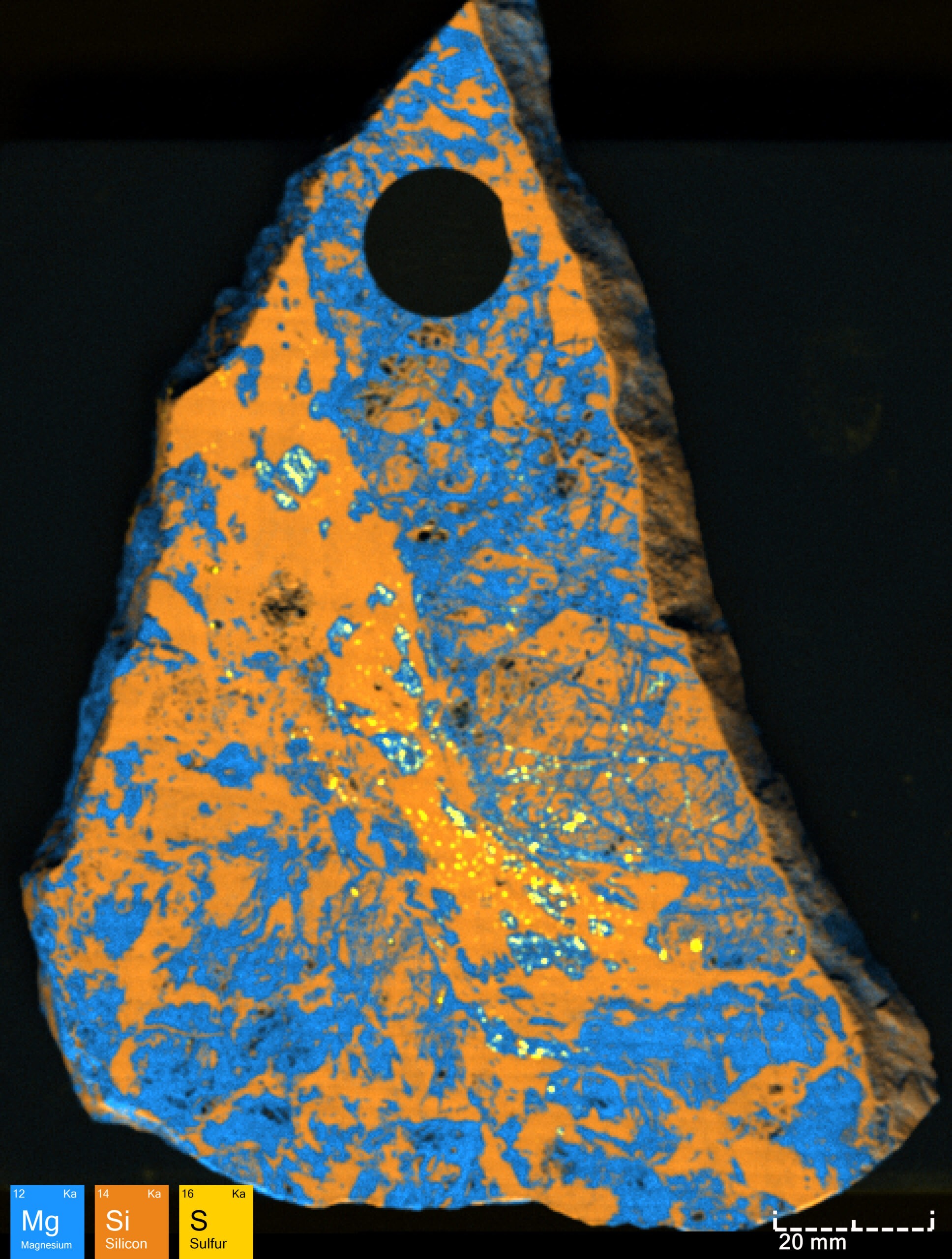

Figure 3. Veritas m-XRF reveals the spatial relationships between mercury, sulfur, iron, and silicon, which are crucial for understanding cinnabar paragenesis and its value.
Case Study: Real-World Impact
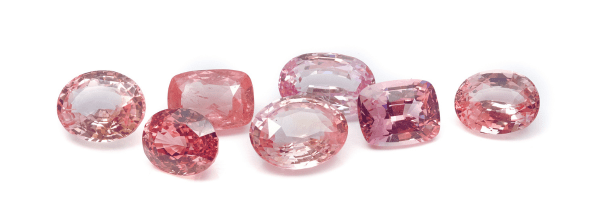
A leading gem laboratory’s implementation of the Veritas MacroXRF increased throughput from 20 to over 700 stones per day. Their system was configured for automated gemstone analysis, enabling their gemologists to rapidly assess trace elemental composition across large batches of sapphires. Using non-destructive m-XRF mapping, analysts identified natural sapphires by their characteristic levels of gallium (Ga) and iron (Fe)—elements typically present due to natural geological formation. In contrast, lab-grown sapphires often exhibit undetectable levels of Ga due to the controlled conditions of their synthesis. In one instance, the absence of Ga in a yellow sapphire raised immediate concerns about its authenticity, illustrating how m-XRF provides critical evidence in determining origin and detecting synthetic stones with confidence. The addition of the Veritas allowed the lab to:
- Increase client processing without additional staffing
- Deliver faster, reliable authenticity reports
- Enhance its reputation as a high-tech, trustworthy laboratory
- Reduce operational costs significantly
The result: better margins, higher customer satisfaction, and a unique competitive advantage.
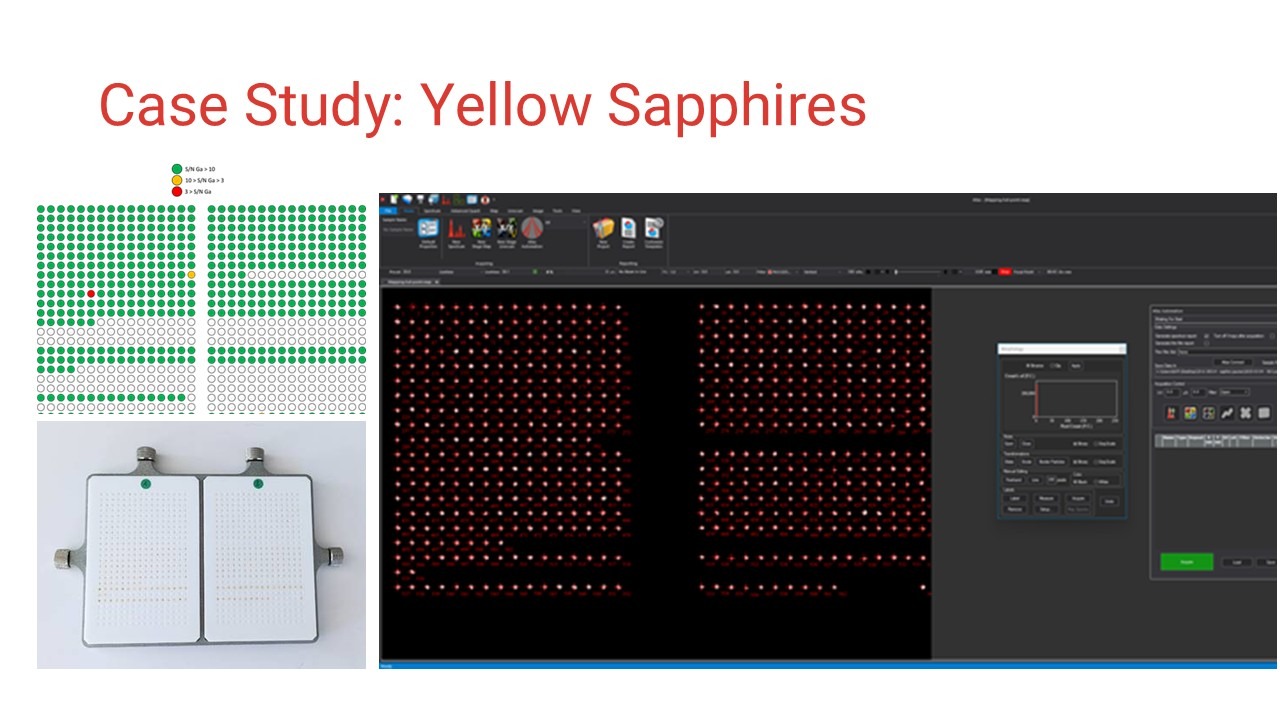
Figure 4. Veritas macroXRF set up for automated gemstone analysis.
The Future of Gemology Is Elemental
As gemstone markets become increasingly complex and competitive, the need for advanced, reliable analytical tools grows ever more critical. μ-XRF and m-XRF technologies have proven transformative in meeting these challenges, offering unmatched precision, efficiency, and reliability. IXRF Systems continues to pioneer these technologies, constantly innovating to enhance gemstone authentication and quality assessment. Gemologists and laboratory professionals are encouraged to explore how these cutting-edge tools can enhance their analytical capabilities, improve operational performance, and foster stronger trust among their clients. For more detailed insights and tailored advice on integrating microXRF and macroXRF into your workflow, we invite you to reach out and connect with our expert team today.