MicroXRF Mineral Analyzer for Geology & Mining
MicroXRF is used in geology and mining to map the spatial distribution of elements across thin sections, drill core, polished blocks, ore samples, and industrial minerals. It helps researchers understand mineral associations, alteration, texture, and elemental deportment without destroying the sample.
For geology and mining labs, chemistry alone is not enough. Grade tells you how much is present. MicroXRF helps show where elements occur, how they are hosted, and how mineral texture may affect interpretation, recovery, or performance.
Why Mineralogy and Texture Matter as Much as Grade
Two samples with similar grade can behave very differently during processing. MicroXRF helps bridge the gap between chemistry and context by mapping the sample directly.

Bulk assays are essential, but they do not explain the full mineralogical picture.
A fire assay, ICP result, or bulk XRF measurement can tell you how much of an element is present. It cannot show whether that element is:
- Free and potentially recoverable
- Locked inside sulfides or oxides
- Distributed across multiple mineral phases
- Associated with alteration, veining, or gangue
- Concentrated in small inclusions or reaction textures
Geology and Mining Applications
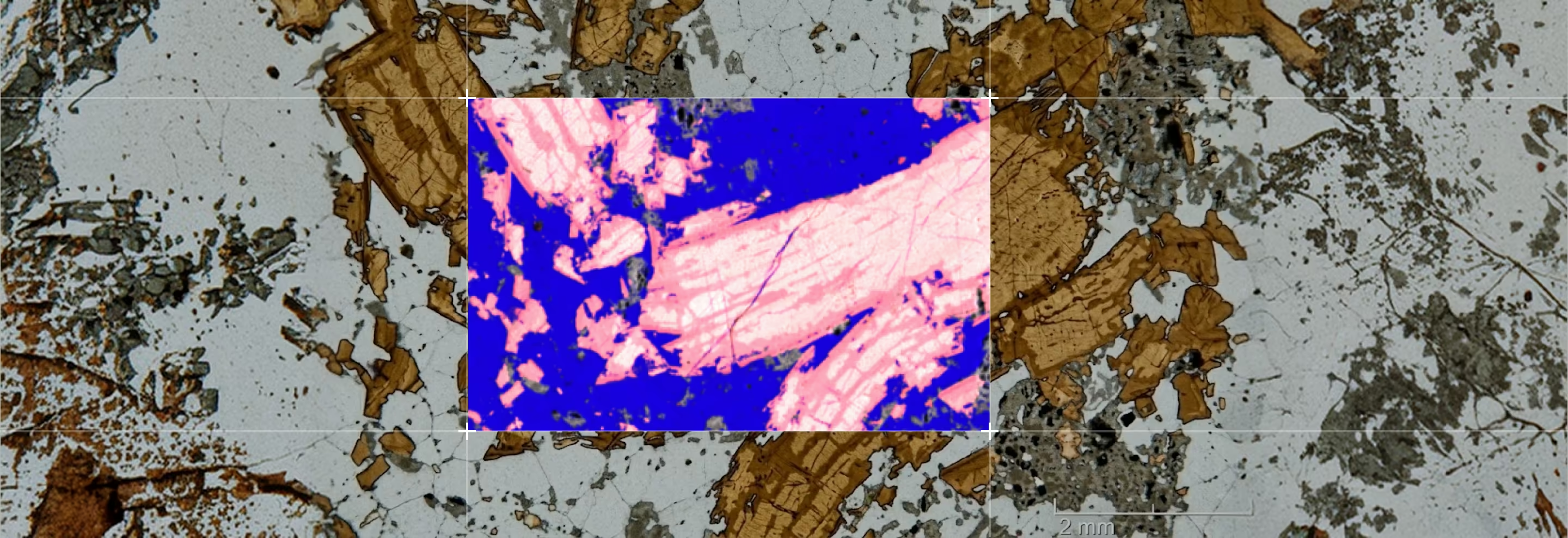
Petrology and Mineralogy
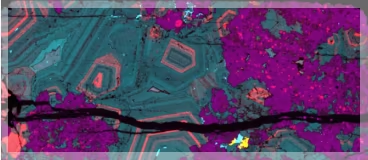
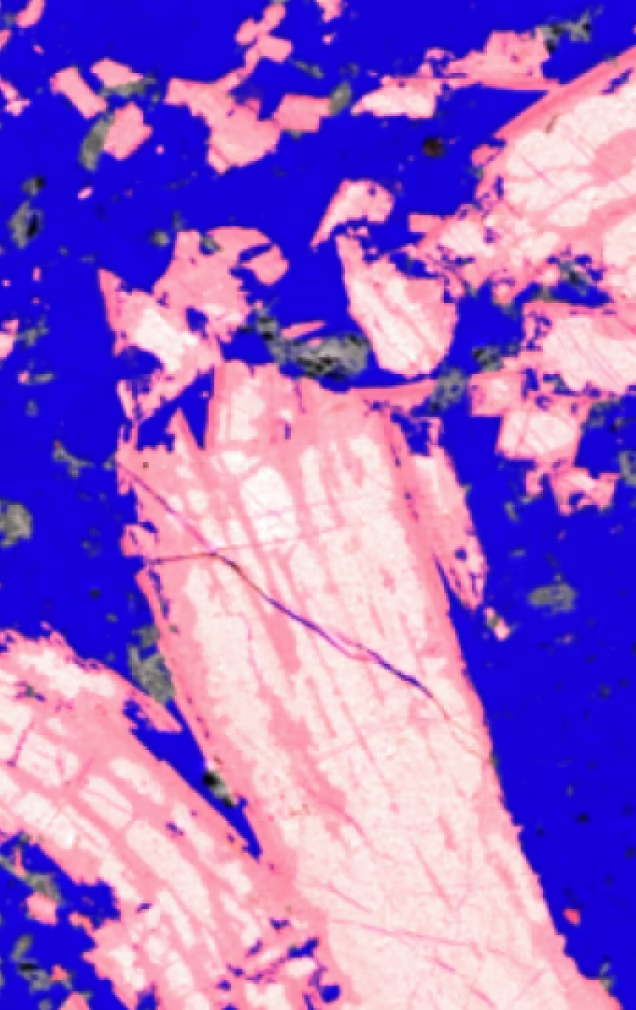
Atlas Apex maps elemental variation directly across thin sections, polished sections, and rock chips. Use it to study:
- Mineral zoning
- Grain-boundary reactions
- Corona textures and reaction rims
- Mineral replacement fronts
- Inclusion chemistry
- Elemental relationships across complex assemblages
Exploration and Drill Core Analysis
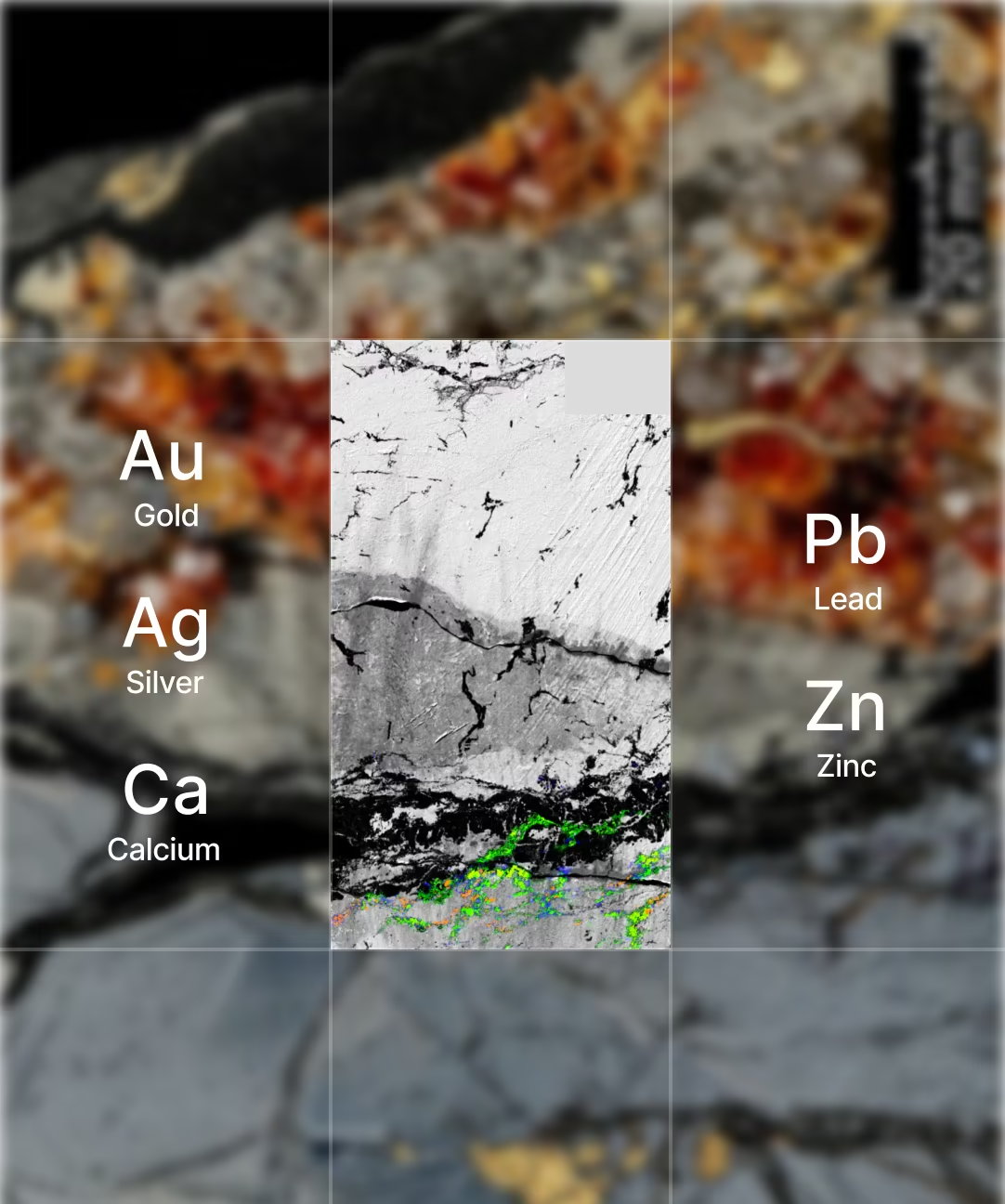
MicroXRF helps exploration teams see spatial geochemistry across drill core, slabs, billets, and polished sections. Use it to map:
- Alteration halos
- Vein relationships
- Sulfide distribution
- Pathfinder elements
- Mineralized intervals
- Lithological contacts
- Geochemical gradients
Ore Grade and Process Mineralogy
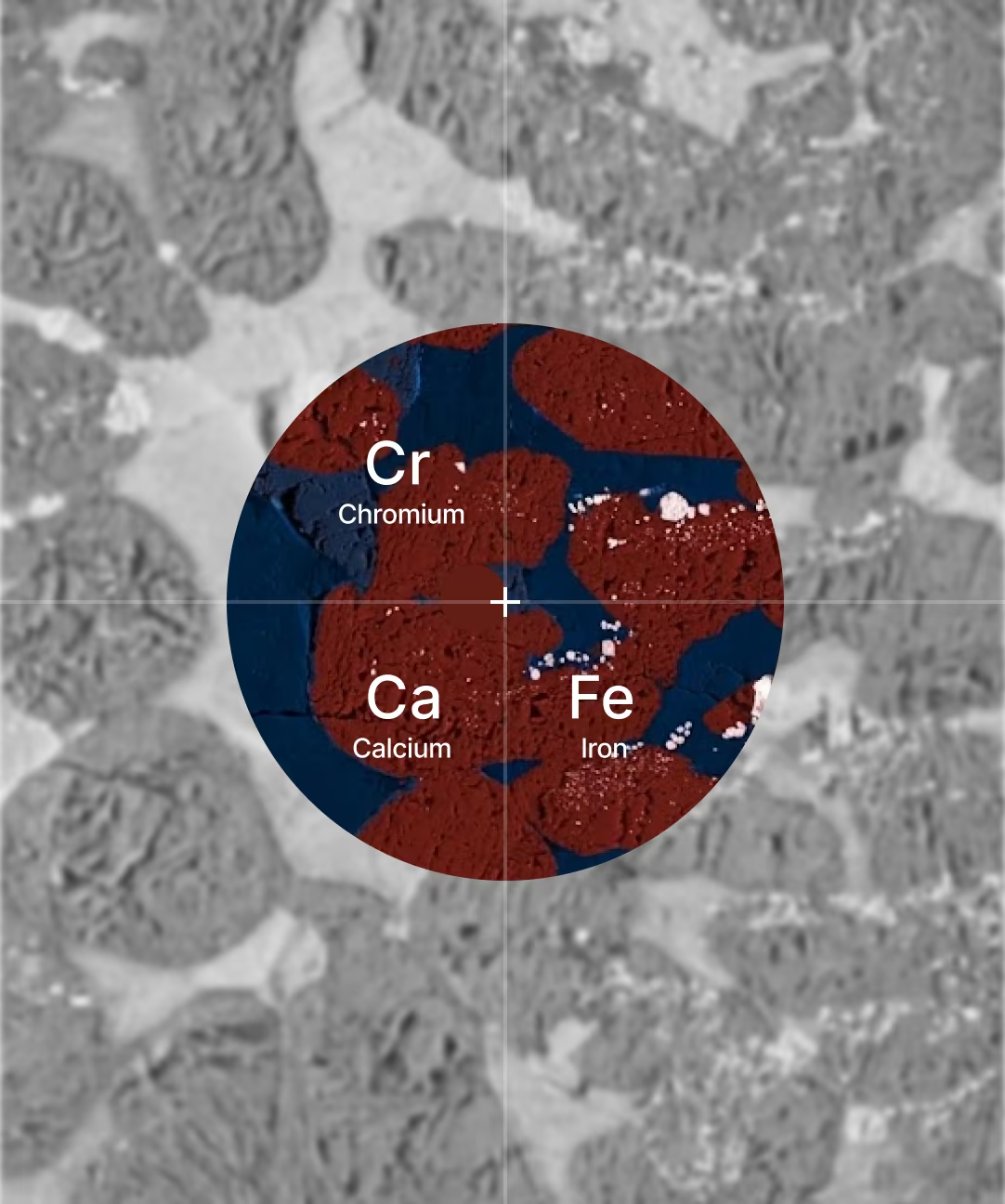
Mining laboratories need to understand more than grade. They need to know how ore minerals relate to gangue, how metals are hosted, and whether mineralization is likely to be liberated or locked during processing. Atlas Apex can help map:
- Ore mineral distribution
- Sulfide associations
- Gangue relationships
- Locked versus liberated textures
- Pathfinder-element halos
- Deportment-related elemental patterns
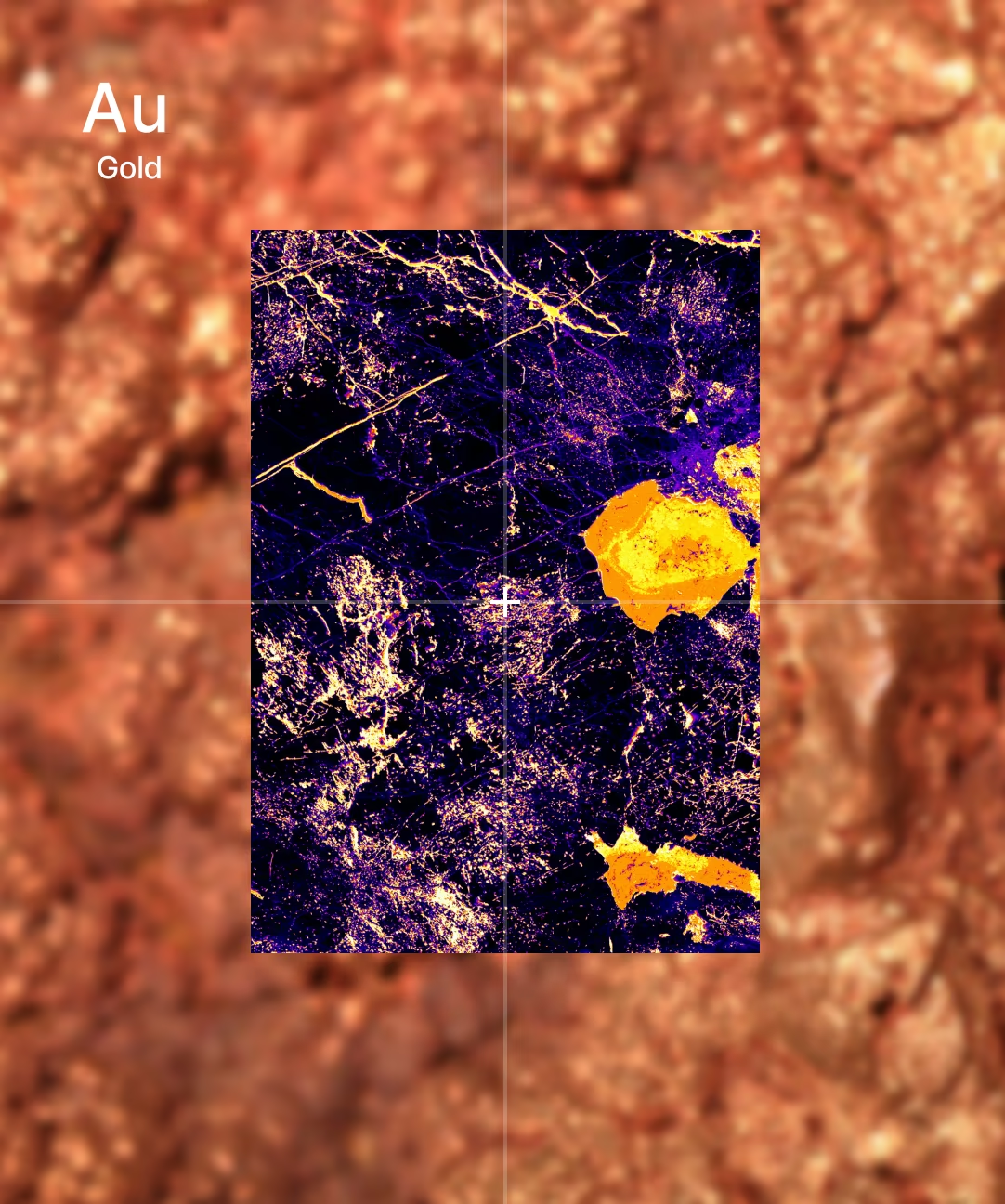
In gold deportment work, for example, microXRF can show how gold relates to pyrite, arsenopyrite, arsenic, sulfur, iron, and other system-dependent indicators. That spatial relationship helps metallurgists understand whether gold may be free, attached to other minerals, or locked within sulfide phases.
Industrial Minerals
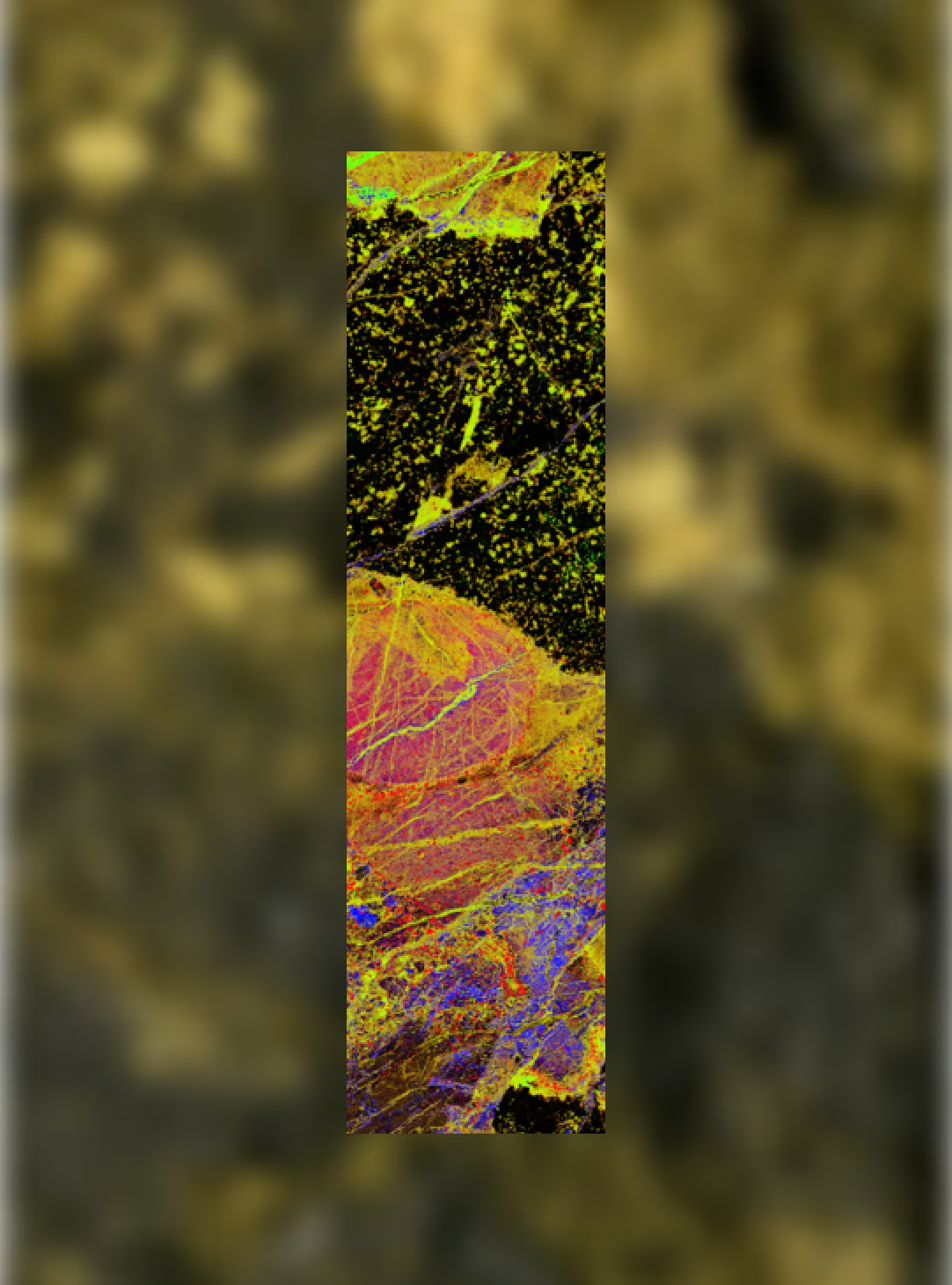
For cement, clay, kaolin, ceramics, and related materials, microXRF is most useful when spatial distribution matters.
Atlas Apex can help map:
- Clinker phase distribution
- Raw meal heterogeneity
- Localized contamination
- Sulfate distribution
- Iron-bearing inclusions
- Mineral impurities affecting brightness or performance
Critical Minerals and REEs
IXRF geology workflows also support critical minerals, rare earth elements, lithium-bearing phases, battery minerals, and strategic materials.
How the MicroXRF Measurement Works
Atlas Apex fits into familiar geology and mining workflows.Typical sample types include:
Polished thin sections 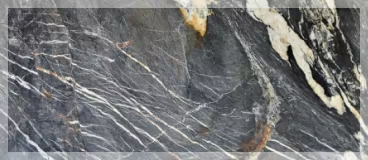
Polished thick sections 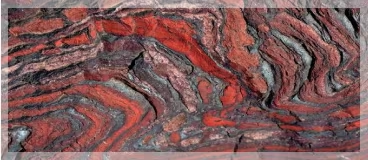
Mounted particles 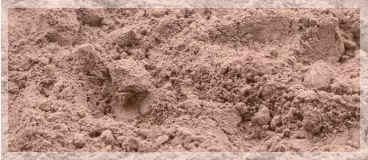
Powders 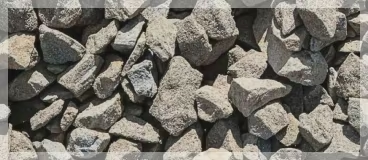
Rock chips 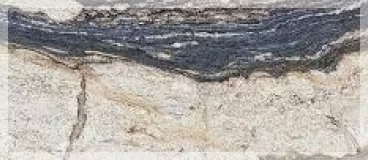
Slabs 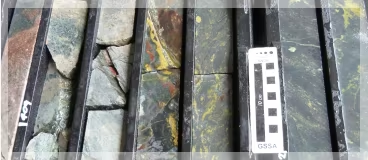
Cut and cleaned core faces 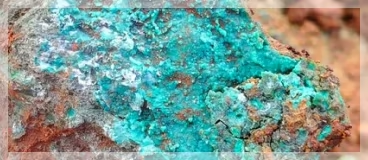
Industrial mineral specimens
Conductive coating is not required. Many samples can be analyzed in air. Vacuum or helium purge can be used when improved low-Z element performance is needed.
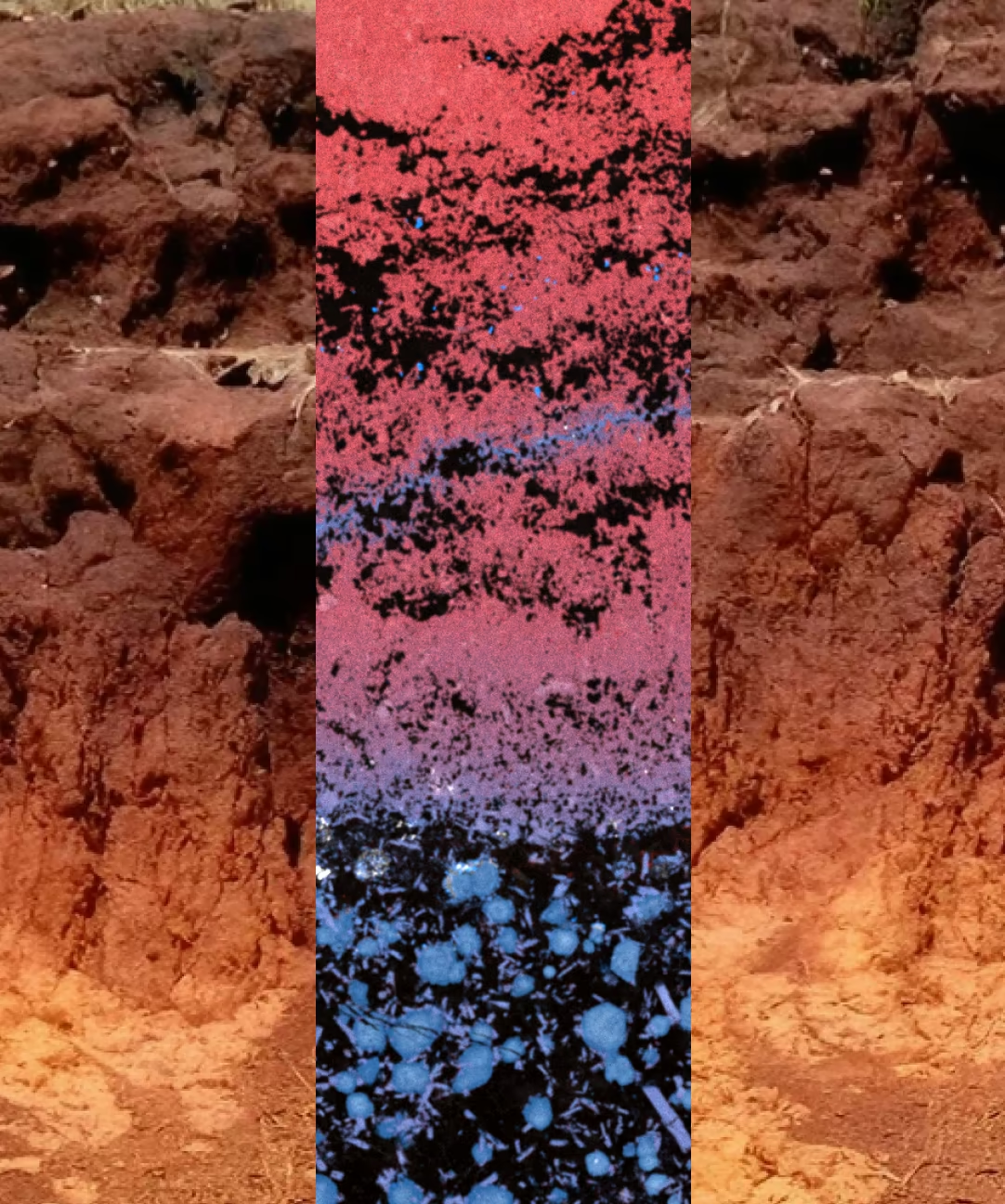
Atlas Apex M provides focused X-ray excitation down to a 5 µm spot for resolving individual grains, fine veins, reaction rims, inclusions, zoning, and small-scale mineral textures. Automated stage control allows users to define maps, lines, points, and regions of interest directly from the instrument cameras.
During mapping, Iridium Ultra stores a full XRF spectrum at every pixel. Users can return to the dataset later, extract spectra, compare regions, generate new elemental maps, or evaluate additional elements without immediately remeasuring the sample. Iridium Ultra also supports:
- Automated acquisition
- Point, line, and map analysis
- Full-spectrum hyperspectral mapping
- Fundamental Parameters quantification
- PCA-based phase analysis
- Mineral classification tools
- X-ray map calculations
- Reporting and workflow automation
MicroXRF Compared With Other Methods
Compared with Handheld XRF
Handheld XRF is fast and field-portable. It is useful for averaged spot readings during exploration. MicroXRF adds the spatial picture — it maps where elements occur across grains, veins, alteration zones, and larger sample areas.
Compared with Fire Assay and ICP
Fire assay, ICP-MS, and ICP-OES remain essential for validated bulk grade, especially for gold and trace-level geochemistry. MicroXRF is complementary — it helps explain how elements are hosted and why two samples with similar grade may behave differently.
Compared with LIBS
LIBS is useful for rapid lithogeochemical logging and can be valuable in some core-scanning workflows. MicroXRF provides non-destructive XRF mapping with strong mineralogical and trace-element context. The best method depends on the elements of interest, sample type, speed, detection limits, and whether non-destructive analysis matters.
Compared with EPMA
EPMA remains the standard for high-precision quantitative point analysis of mineral chemistry. MicroXRF covers larger areas more efficiently — well suited for reconnaissance mapping, region-of-interest discovery, and textural screening before targeted point analysis.
Compared with SEM-EDS
SEM-EDS provides high-resolution imaging and surface-level microanalysis. MicroXRF provides greater analysis depth, easier analysis of large or non-conductive samples, and efficient elemental mapping across larger areas. Many geology labs use both methods together.
Ask IXRF About Your Samples or Ore System
See what microXRF can map in your geological samples. Whether you are evaluating a petrology project, mapping drill core, studying ore deportment, or troubleshooting an industrial mineral process, IXRF can help determine whether Atlas Apex is the right fit.
Tell us your sample type, elements of interest, target spatial resolution, and research or production question. IXRF applications scientists can help recommend the right configuration and workflow.
Designed and built in Austin, Texas, IXRF systems are backed by applications, engineering, training, and service support from the people who make them.
Frequently
Asked Questions
Yes. MicroXRF maps elemental chemistry across a thin section and can distinguish many chemically different mineral domains. Iridium Ultra supports elemental segmentation, clustering, phase analysis, and mineral-classification workflows, although complementary techniques such as XRD or Raman may be required for definitive crystallographic identification.
MicroXRF maps elemental distributions across cut core faces, core sections, and rock slabs to reveal alteration, mineralization, veins, sulfides, pathfinder elements, and compositional gradients. These maps provide spatial context that can be lost when samples are reduced to bulk assays.
Yes. MicroXRF can visualize elemental changes associated with hydrothermal alteration, veins and vein selvages, mineralized contacts, metasomatic fronts, and geochemical zonation. Mapping multiple elements together helps reveal relationships between alteration and mineralization.
Often, yes. Differences in elemental chemistry can distinguish many sulfide-rich domains and reveal grain boundaries, intergrowths, replacement textures, inclusions, and mineral associations. Where minerals have similar chemistry, complementary mineralogical techniques may be needed for definitive identification.
MicroXRF can provide quantitative elemental measurements, but it generally complements rather than replaces validated bulk-grade methods such as fire assay, ICP-based analysis, or laboratory XRF. Its primary advantage is showing where valuable and deleterious elements occur within the sample and how they are spatially associated.
Gold deportment describes where gold occurs within an ore and the minerals or textures with which it is associated. MicroXRF can locate Au-rich particles when concentration and particle size permit and map associated elements such as As, S, Fe, Cu, Pb, or Zn to help identify potential host phases and target areas for higher-resolution analysis.
Handheld XRF is well suited to rapid field screening and averaged spot measurements. MicroXRF uses a much smaller X-ray beam and automated scanning to create detailed elemental maps of grains, veins, alteration zones, mineralized intervals, and other geological features.
Yes. MicroXRF can map standard thin sections, polished mounts, rock slabs, and other geological specimens over comparatively large areas. This allows researchers to preserve whole-sample geological context while also investigating smaller features at higher spatial resolution.
Preparation depends on the analytical objective. Thin sections, polished blocks, cut core faces, rock slabs, powders, particles, and mineral grains can all be analyzed, and conductive coating is not required. Flat, clean, polished surfaces generally provide the best spatial resolution and quantitative accuracy.
Depending on detector configuration and analytical conditions, microXRF can detect a broad range of elements from light rock-forming elements through transition metals, pathfinders, rare earth elements, and heavy elements. Detectability and detection limits depend on elemental concentration, sample matrix, measurement time, and excitation conditions.