SDD Detectors for SEM and TEM, Built for High-Count-Rate Performance
IXRF's silicon drift detectors pair with the Model 550i digital pulse processor and Iridium Ultra software to deliver stable, high-resolution elemental analysis. Available as part of a complete EDS system, or as a standalone replacement for an aging detector on almost any SEM or TEM.
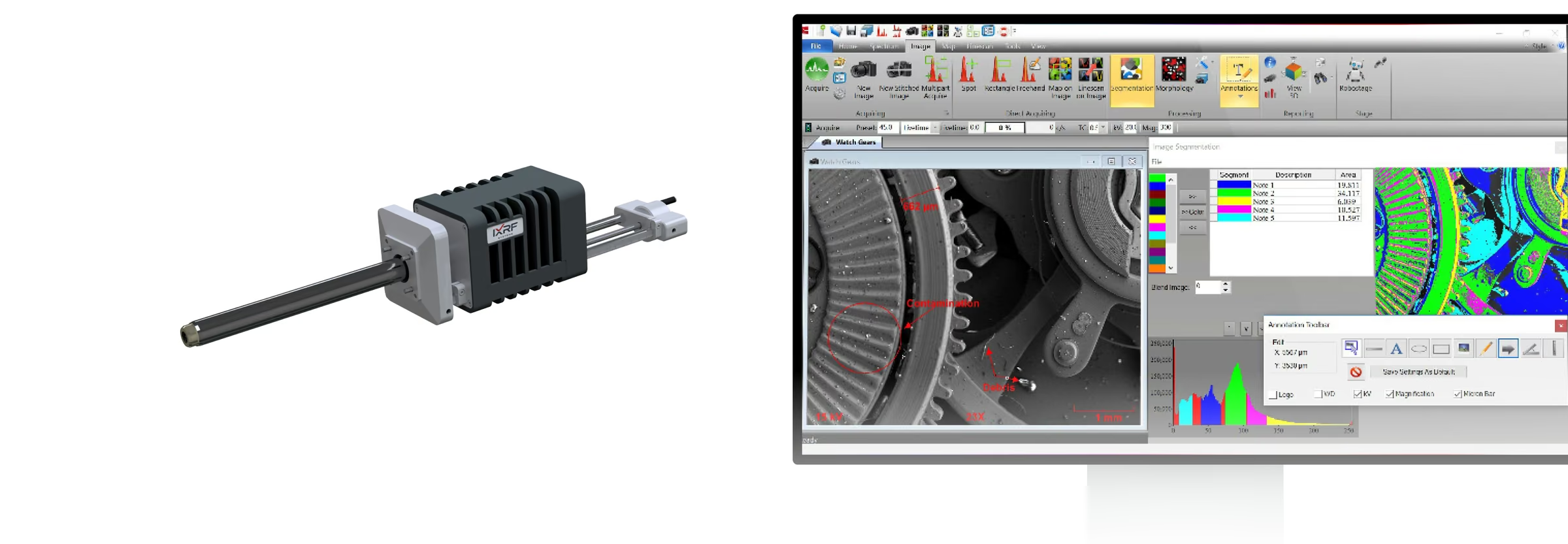
What a Silicon Drift Detector Does
A silicon drift detector, or SDD, is the X-ray sensor at the heart of every modern EDS system. When characteristic X-rays generated by the electron beam strike the detector, it converts them into electrical signals that the system uses to identify which elements are present and in what concentration.
SDDs replaced the older Si(Li) detector technology because they handle much higher count rates, deliver better energy resolution, and do not require liquid nitrogen cooling. IXRF's detectors are electronically cooled, so there is no cryogen to refill or manage.
Hardware
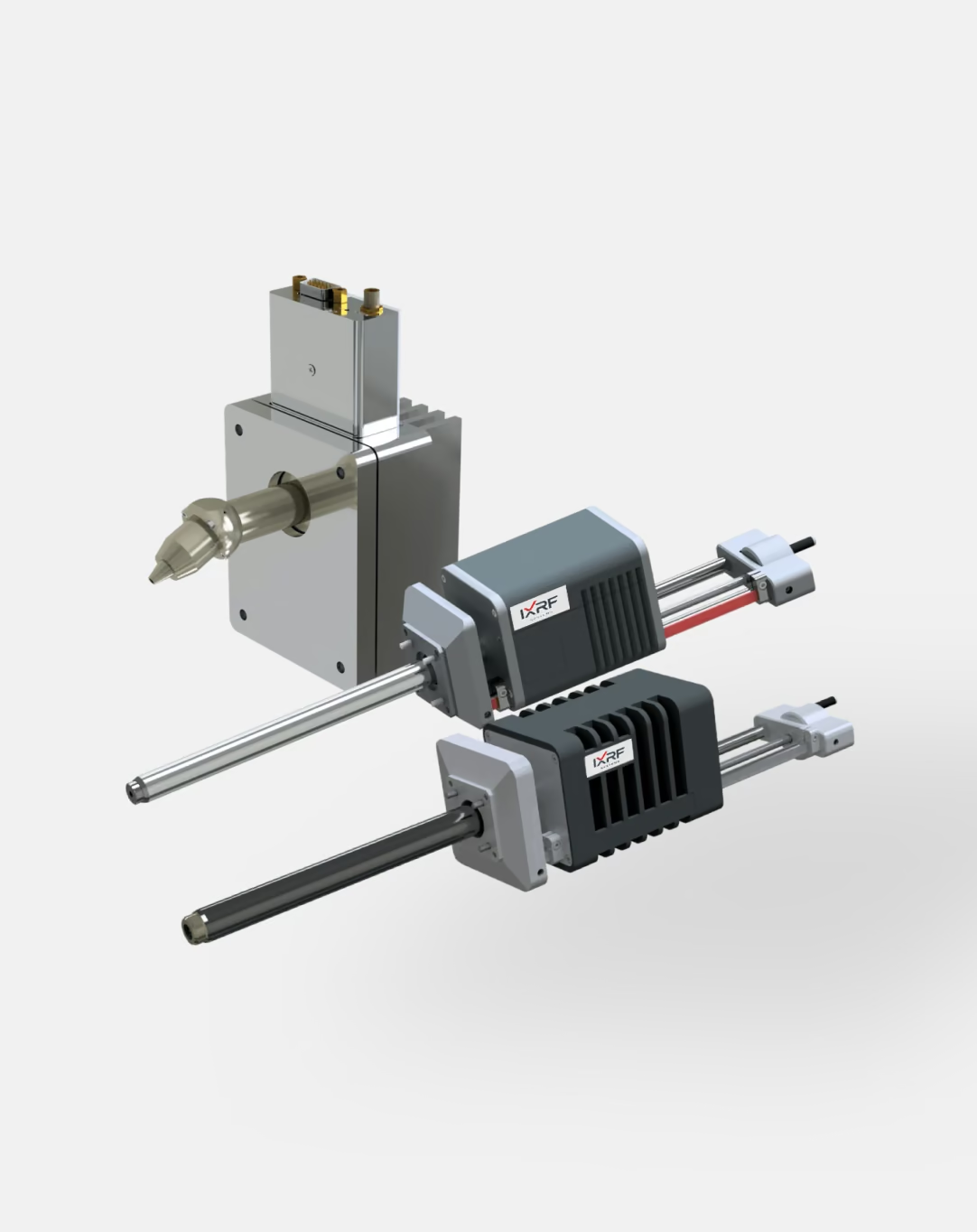
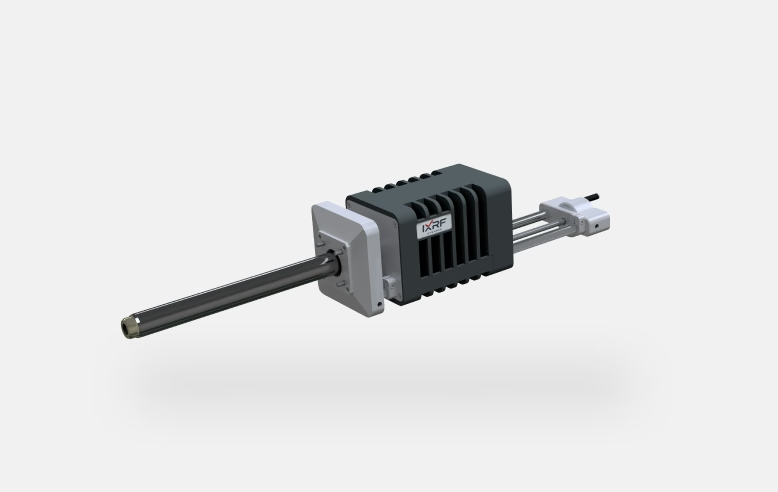
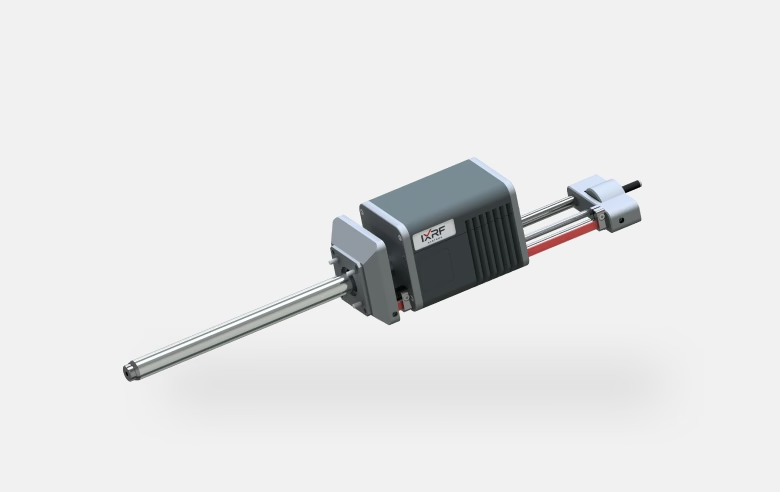
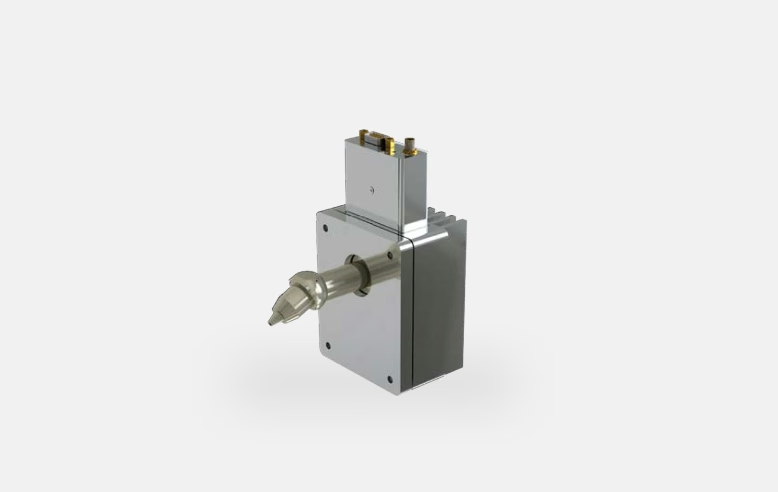
Three Detector Formats, One Electronics Platform
Every IXRF SDD pairs with the Model 550i, an Ethernet-based digital pulse processor built for true data streaming and fast X-ray processing, even at high count rates.
Software
Paired With Iridium Ultra Software
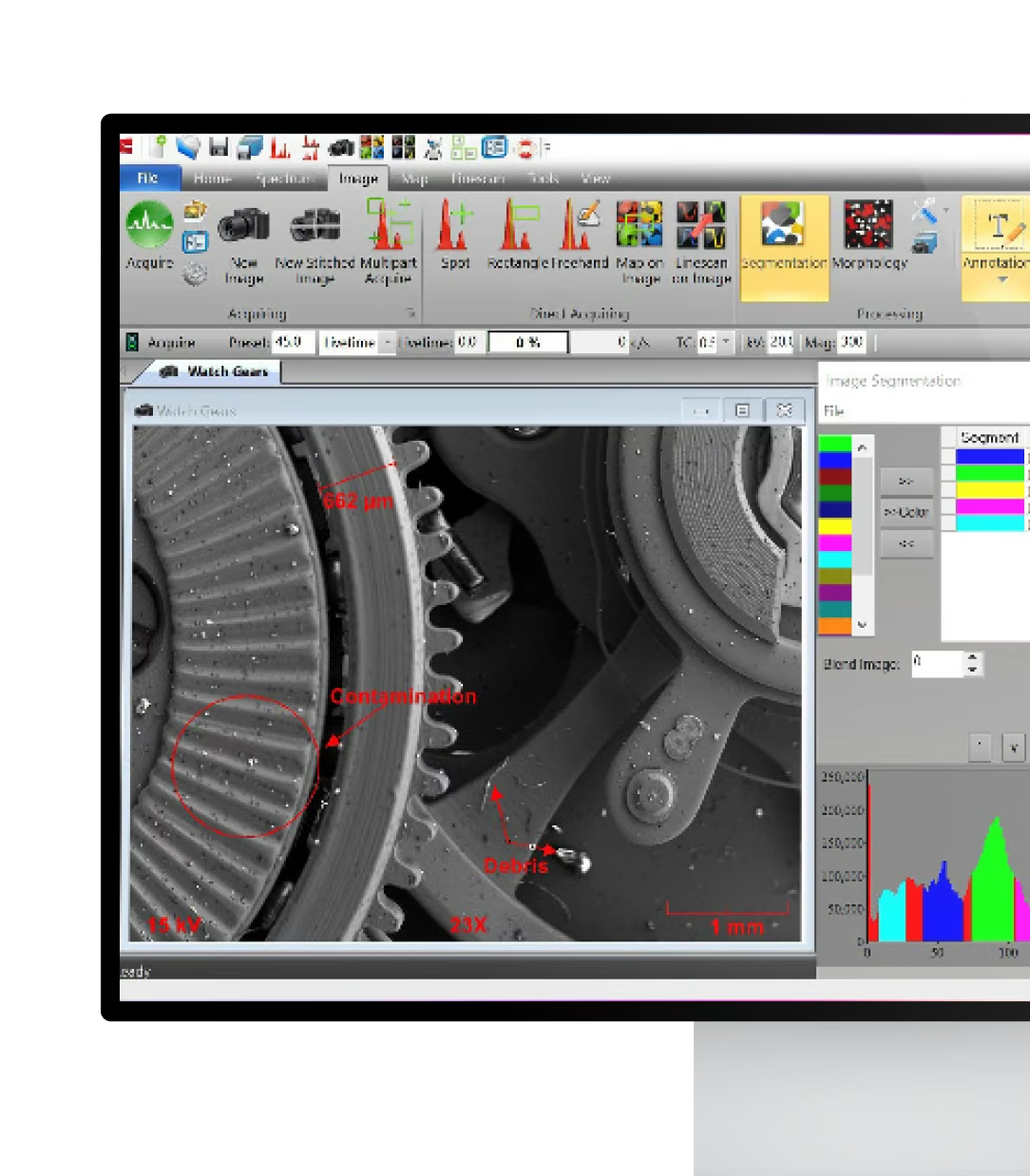
Every detector ships with, or upgrades into, Iridium Ultra, IXRF's all-inclusive software suite for spectra, imaging, mapping, and linescans. Software upgrades are included for the life of the system, at no cost.
The Detector at a Glance
- Detector
- Silicon drift detector (SDD), 10–100 mm² active area, vibration-free
- Window options
- Beryllium (8 µm) to thin polymer, for light-element X-ray transmission
- Electronics
- Model 550i digital pulse processor — Active Imaging, DSP, and 4096-channel MCA
- Cooling
- Electronically cooled (LN2-free)
- Software
- Iridium Ultra — free upgrades for the life of the system
- Compatibility
- Almost any SEM or TEM — as part of a complete EDS system or as a standalone detector replacement
You Might Also Need
SEM/EDS
The same detector and software platform, built for scanning electron microscopes.
SEM/MicroXRF
The Xb micro-spot X-ray source: full microXRF capability added to any SEM.
EDS Software
Iridium Ultra: acquisition, quantification, mapping, and phase classification.
Frequently
Asked Questions
A silicon drift detector, or SDD, is a solid-state X-ray detector used for energy-dispersive X-ray spectroscopy. SDDs provide high count-rate capability, excellent energy resolution, and sensitivity across a broad elemental range for SEM and TEM microanalysis.
SDDs provide faster X-ray processing, high count-rate performance, and electronic cooling without the liquid nitrogen required by traditional Si(Li) detectors. This can improve analytical throughput while simplifying routine operation and maintenance.
Yes. Depending on your existing hardware and electronics, IXRF can provide an SDD replacement or upgrade without requiring replacement of the entire EDS system. IXRF can review your current configuration and recommend the appropriate upgrade path.
Yes. IXRF SDDs can be integrated with many existing SEM and TEM platforms. Compatibility depends on factors such as the available detector port, chamber geometry, working distance, stage clearance, and existing analytical hardware.
IXRF offers SDD sensor areas including 10, 30, 60, and 100 mm². Smaller detectors can be well suited to routine microanalysis, while larger active areas provide greater X-ray collection capability for applications requiring higher count rates or faster acquisition.
IXRF SDDs are available with different X-ray window configurations, including thin-window options for enhanced light-element sensitivity and beryllium-window configurations. Window selection affects low-energy X-ray transmission, elemental sensitivity, durability, and overall detector performance.
Yes. With an appropriate thin-window detector configuration, IXRF SDDs can detect light elements including boron, carbon, nitrogen, oxygen, and fluorine. Performance depends on detector configuration, accelerating voltage, sample composition, and analytical conditions.
Energy resolution depends on detector size and configuration. IXRF SDD options typically provide approximately 123–133 eV resolution at Mn Kα, supporting reliable separation and identification of closely spaced characteristic X-ray peaks.
No. IXRF silicon drift detectors use electronic cooling and do not require liquid nitrogen. This simplifies operation, eliminates routine LN₂ filling, and reduces the maintenance requirements associated with older Si(Li) detector technology.
The sensor active area is the physical X-ray-sensitive area of the SDD, while the effective collection area also depends on the detector's collimation and installation geometry. Detector position and line-of-sight to the sample therefore influence how efficiently emitted X-rays are collected.
Detector angle, working distance, distance from the sample, port geometry, and exposed detector area all influence the solid angle of X-ray collection. Optimizing these factors can increase count rate and improve analytical efficiency without changing the electron-beam conditions.
The best detector depends on your applications, microscope geometry, required count rate, light-element performance, and analytical throughput. Larger-area detectors generally provide greater X-ray collection efficiency, while the optimal configuration must also account for available space, working distance, and detector geometry.
Not Sure Which Detector Fits Your Instrument?
Tell us your SEM or TEM brand, chamber geometry, and the elements you need to detect. We will recommend the right sensor area and window option.