See Elemental Distribution at the Micron Scale
The Atlas microXRF series combines focused X-ray excitation with high-throughput detection to reveal elemental distributions across large and complex samples. Map areas from micron-scale features to full specimens — non-destructively and with minimal sample preparation.
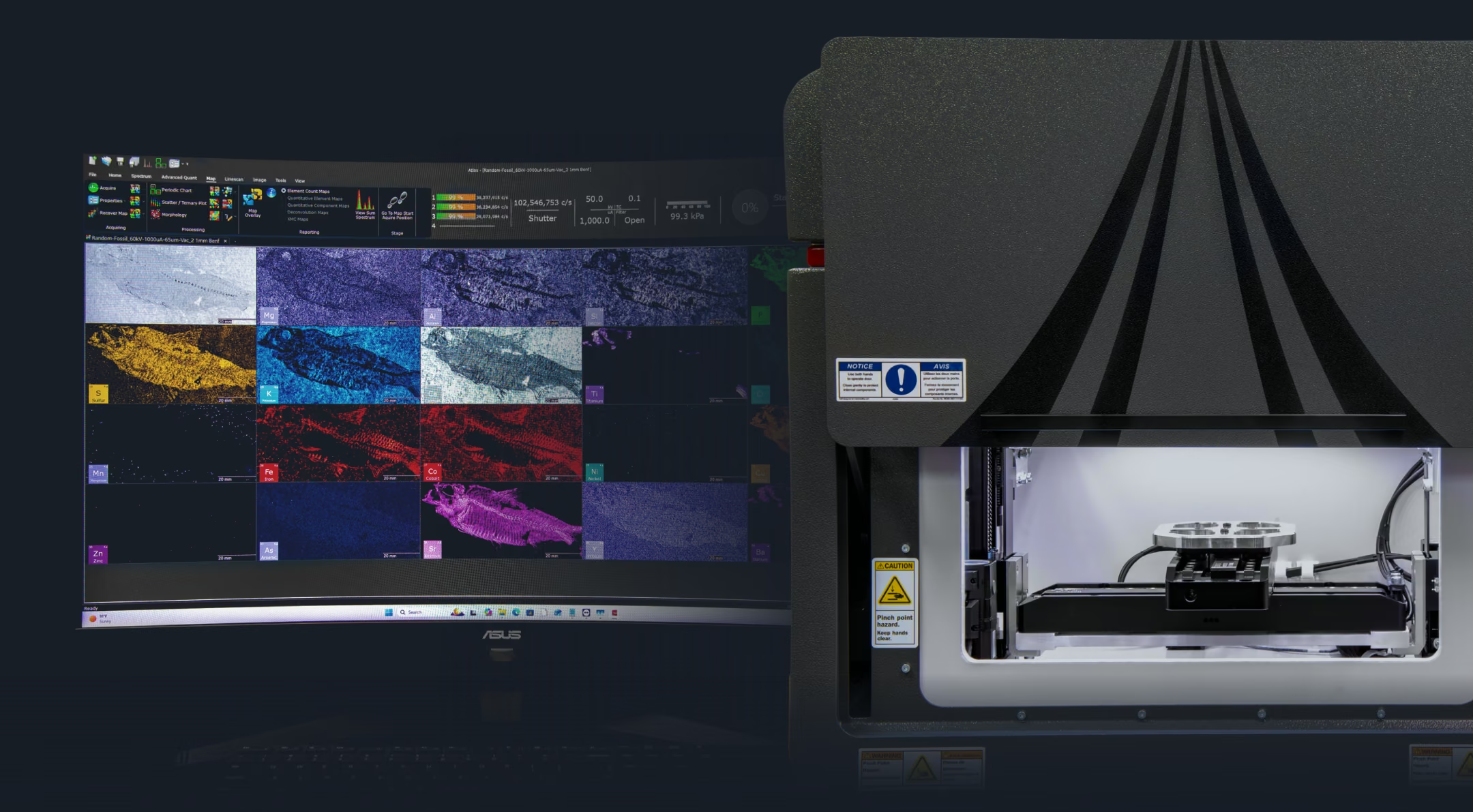
What MicroXRF Resolves That Bulk XRF Can't
Conventional XRF measures composition averaged across a large excitation area. MicroXRF focuses that same X-ray fluorescence measurement down to a spot size measured in microns, so elemental identity and elemental location are answered by the same scan.
Bulk XRF
Tells you which elements are present and roughly how much of each, averaged across the entire excited volume. Two very different materials sitting next to each other in a sample read as one blended signal.
MicroXRF
Maps elemental composition point by point across the sample surface, so a mineral grain, an inclusion, a coating, or a defect shows up as its own distinct signal rather than an average. Correlated with SEM imaging, you see the feature and its chemistry in the same frame.
5 µm
Smallest resolvable feature size for elemental mapping
Two Series, Built for Different Sample Sizes
Both series share the same microXRF engine. What changes is chamber size and mapping travel, so the choice comes down to what you're loading, not which measurement you're trying to make.
APEX
Atlas Apex MicroXRF Series
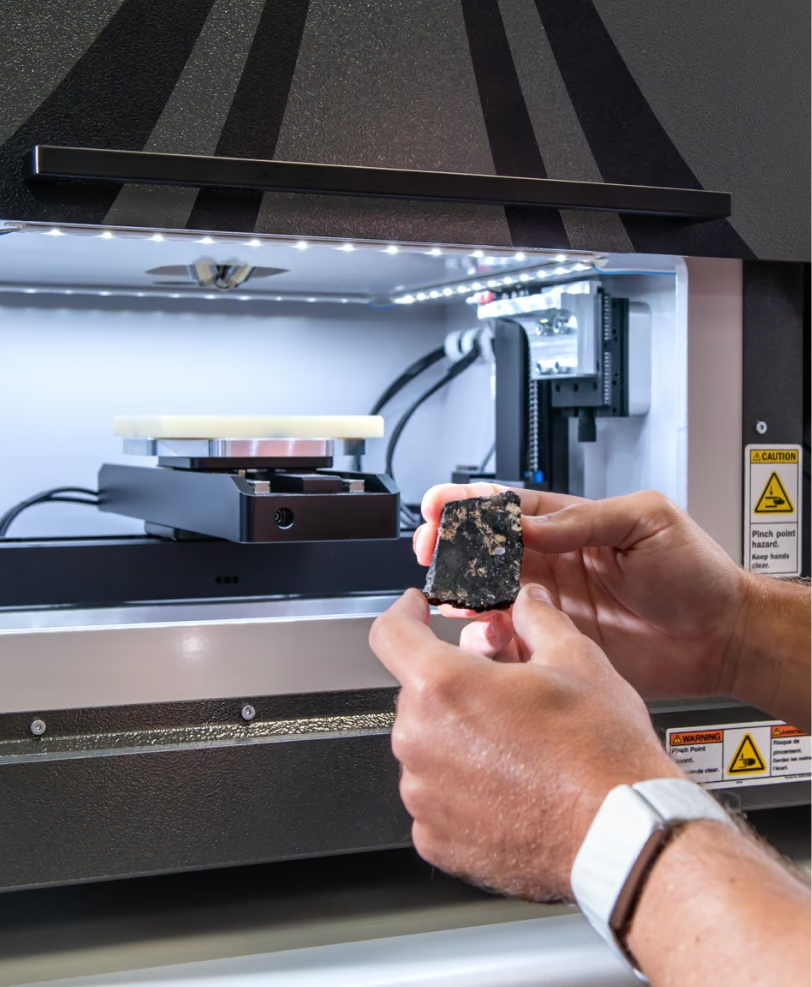
The standard-chamber line, built for polished sections, powders, and small-format samples that need fast setup and repeatable point selection.
VERITAS
Atlas Veritas MacroXRF Series
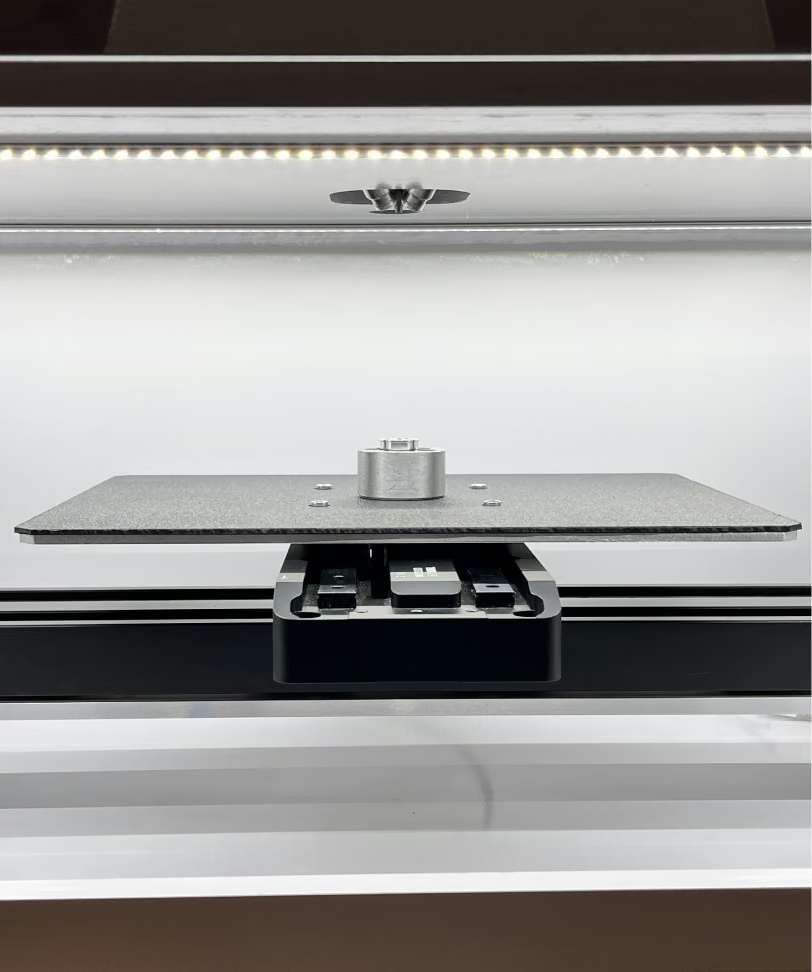
The large-format line, built for drill cores, industrial slabs, and full-size objects that don't fit a standard XRF chamber.
Start From Your Application
If you already know what you're analyzing, jump straight to the workflow built around it.
Critical Minerals Analysis
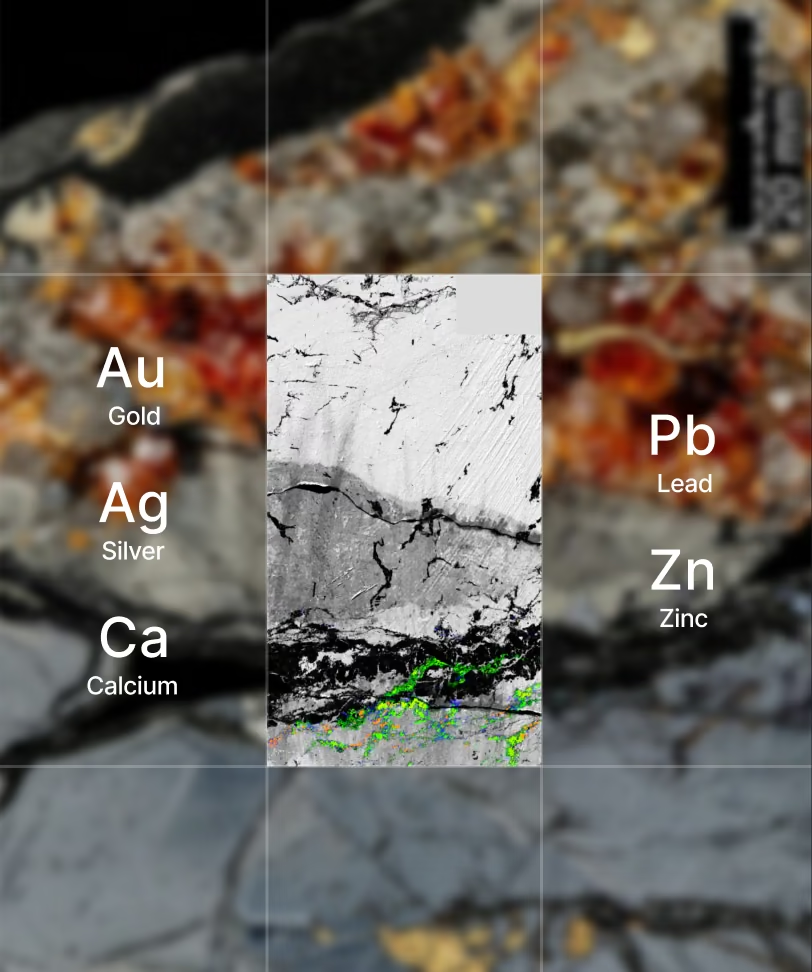
Map rare earth and battery-metal mineralogy across drill core and grain mounts to speed up exploration and beneficiation decisions.
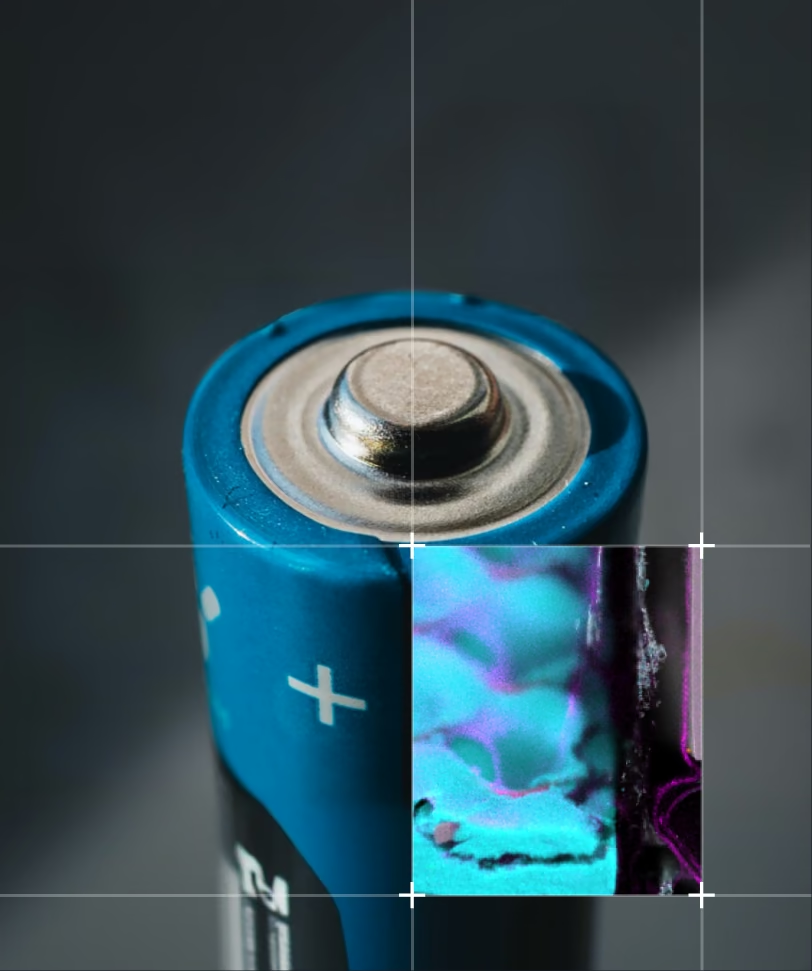
Battery Materials
Resolve elemental distribution across cathode, anode, and separator layers to catch contamination and coating defects earlier.
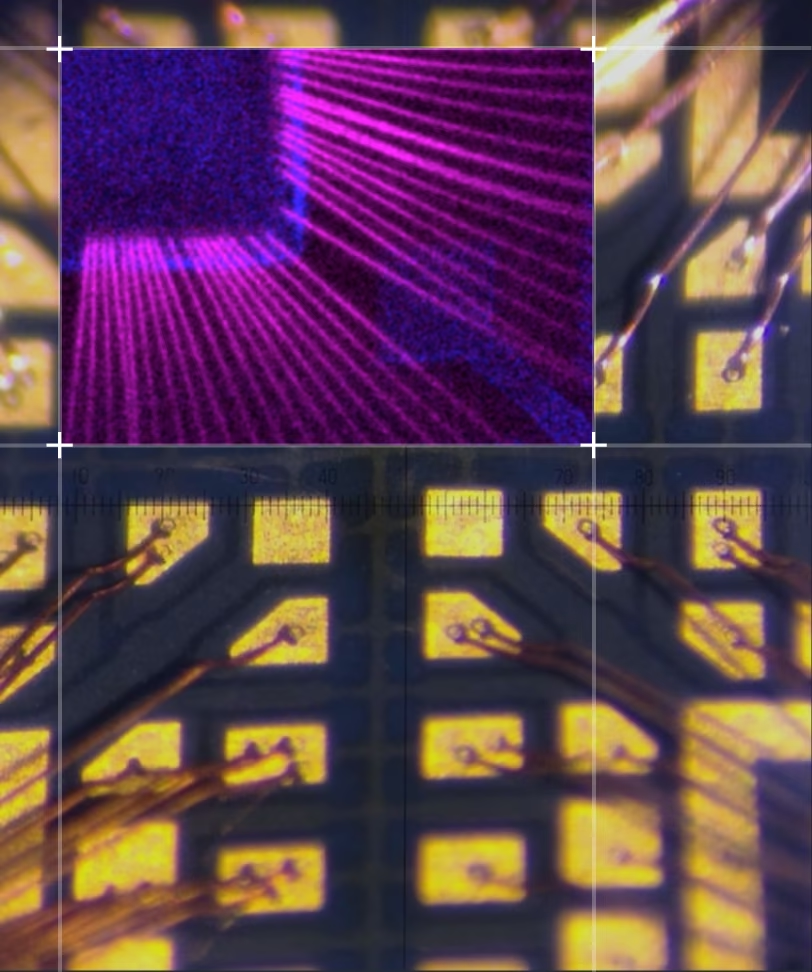
Semiconductors
Localize trace contamination and dopant distribution at the die and package level without leaving your existing SEM workflow.
Or Start From Your Application
MicroXRF, micro XRF, µXRF, microEDXRF — however you've been searching for it, here's the fastest way to your answer.
New to microXRF
Not sure it's the right fit yet
Start with what microXRF resolves that bulk XRF can't, then find the application vertical closest to your sample type.
Comparing systems
Know what you're mapping
Go straight to chamber size, mapping travel, and stage travel across all four models.
Frequently
Asked Questions
MicroXRF uses a focused X-ray beam to perform non-destructive elemental analysis and mapping. Compared with SEM-EDS, microXRF can analyze much larger samples and areas with minimal preparation, while offering strong trace-element sensitivity and greater X-ray penetration; SEM-EDS typically provides higher spatial resolution for very small features.
The detectable elemental range depends on the detector and system configuration. IXRF microXRF systems can be configured to detect elements from light elements such as carbon or fluorine through uranium, making them suitable for a wide range of materials and applications.
Spatial resolution depends on the X-ray optics, excitation energy, sample composition, and surface geometry. IXRF microXRF systems can be configured with focused X-ray spot sizes down to approximately 5 µm, with additional spot sizes available to balance spatial resolution, sensitivity, and analysis speed.
MicroXRF can analyze solids, powders, particles, thin sections, coatings, liquids, geological specimens, electronic components, and many other materials. IXRF offers systems for conventional laboratory samples as well as large, heavy, irregular, or intact objects that may be difficult to analyze using SEM-based techniques.
In many applications, little or no sample preparation is required. Samples can often be analyzed intact, although a flat, clean surface may improve quantitative accuracy and spatial resolution when precise measurements are required.
Yes. MicroXRF can generate high-resolution elemental maps showing where elements are distributed across a sample while retaining a complete X-ray spectrum at each measurement point. IXRF software also supports quantitative analysis, linescans, spectral analysis, phase identification workflows, and quantitative elemental mapping.
Yes. IXRF microXRF systems can operate in air, vacuum, or helium, depending on the sample and analytical requirements. Vacuum or helium environments are particularly useful for improving the detection of lower-energy X-rays from light elements.
MicroXRF is commonly used as a standalone analytical instrument, such as the IXRF Atlas Apex platform. XRF technology can also be integrated with compatible SEM platforms, allowing XRF and electron-beam microanalysis to provide complementary elemental information.
MicroXRF is well suited for applications requiring non-destructive elemental analysis, large-area mapping, trace-element sensitivity, or analysis of samples that are too large or difficult to prepare for an SEM. Common applications include geology and mining, critical minerals, metals, batteries, semiconductors and microelectronics, ceramics, concrete, environmental materials, cultural heritage, and advanced materials research.
The best system depends on your sample size, spatial-resolution requirements, elemental range, throughput, and analytical goals. The Atlas Apex M is designed for versatile laboratory microXRF analysis, while the Atlas Apex X provides greater flexibility for large, heavy, irregular, or intact samples; an IXRF applications specialist can help determine the appropriate configuration for your work.