Process XRF Analyzer for Steel Production
Measure steel composition and centerline segregation at or near the production line instead of waiting for laboratory results.
IXRF's ProSA steel analyzer is a process XRF system designed for near-real-time elemental analysis in steel production environments. The system brings composition data closer to the process, helping operators, metallurgists, and quality teams make decisions before material moves farther downstream.
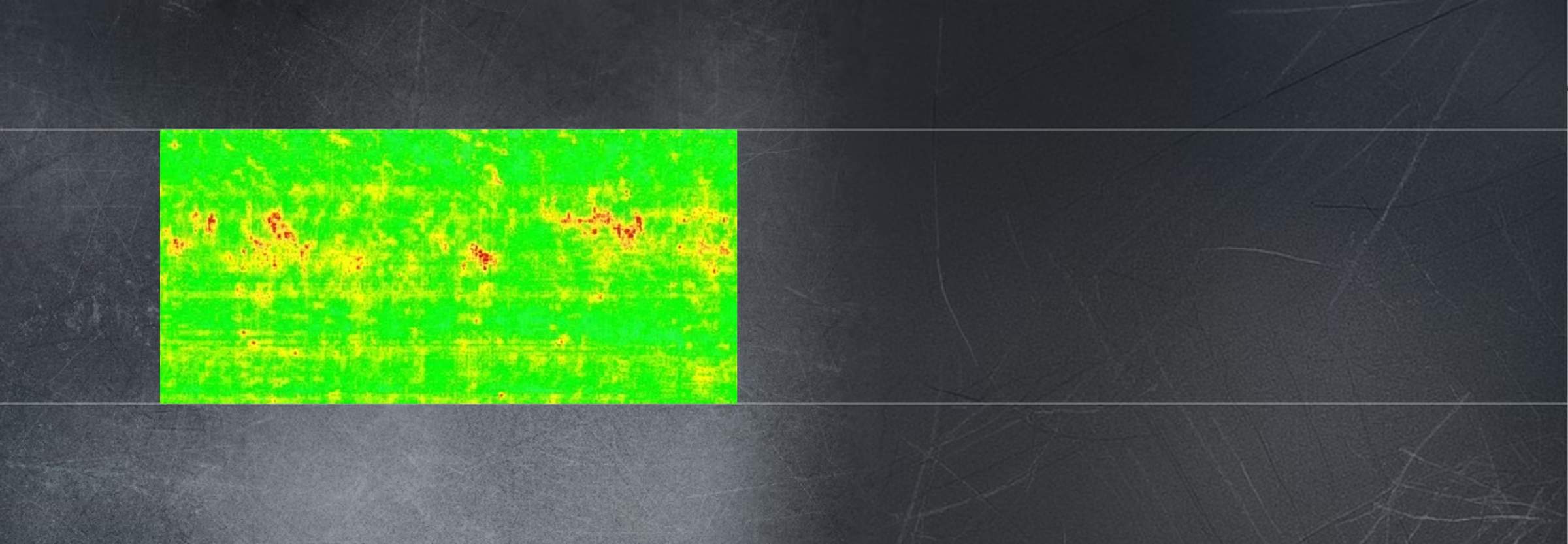
Lab XRF Pulls a Sample. Process XRF Measures on the Floor.
The system is designed for routine use by production personnel with minimal operator involvement.

Traditional laboratory analysis requires a sample to be removed from production, transported, prepared, measured, and reported back to the line. By the time the result arrives, the material may already have moved to the next production stage.
ProSA performs at-line XRF analysis closer to the point of production. This reduces the delay between sampling and action, allowing plant personnel to respond sooner to compositional variation. Faster feedback can support:
- Tighter process control
- Earlier identification of out-of-spec material
- Reduced rework and scrap
- Faster production decisions
- Less dependence on repeated lab handling
- More consistent steel quality
The ProSA Steel Analyzer
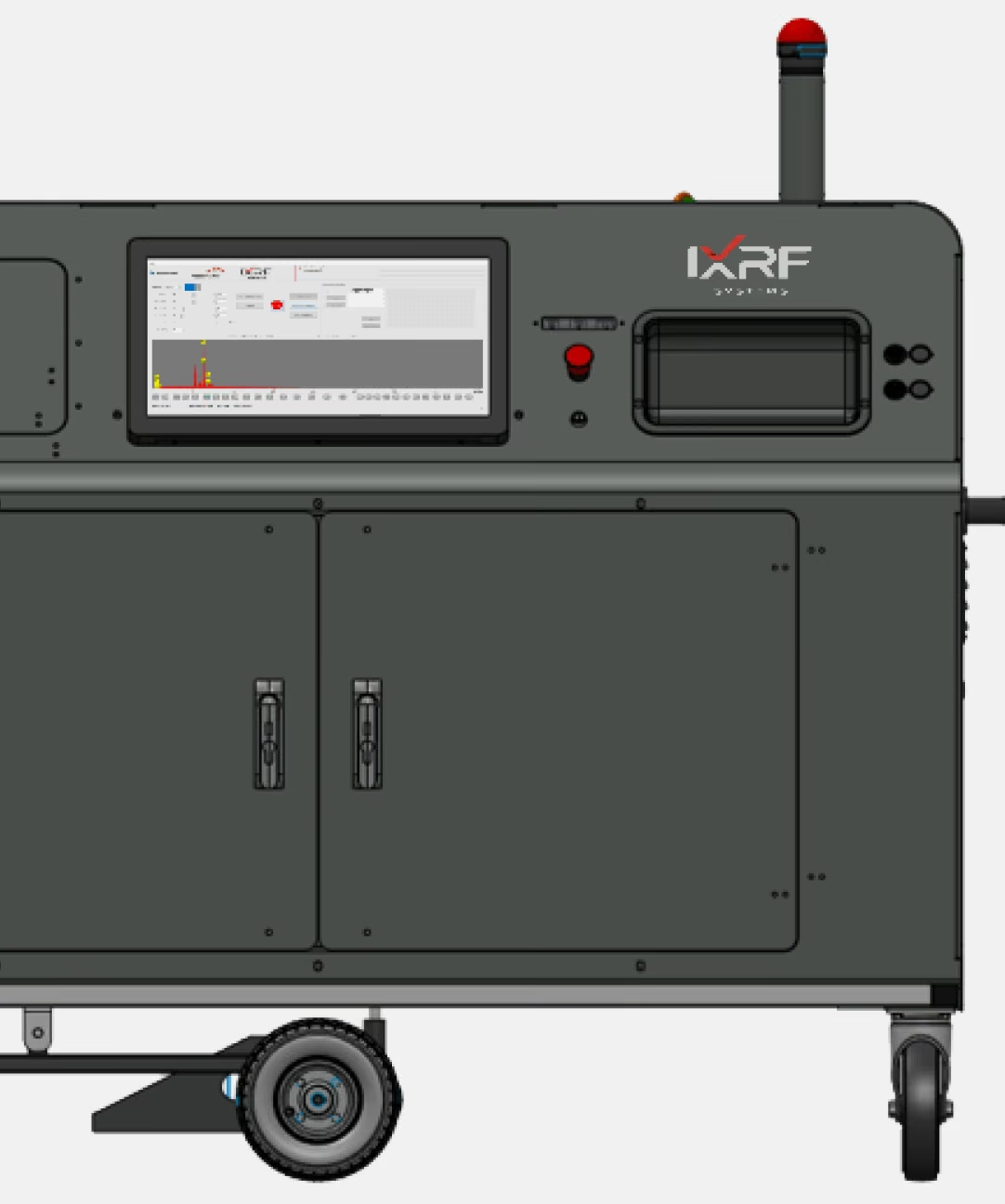
ProSA is a mesoXRF analyzer developed for industrial steel analysis rather than general laboratory research. It combines automated XRF measurement with an operator-focused interface and a system architecture suited to at-line operation.
Steel Composition Analysis
ProSA measures elements relevant to steel production, alloy control, and segregation analysis. The exact element list, analytical ranges, and required measurement conditions are matched to the steel grades and production requirements of each facility.
IXRF works with plant teams to define:
- Elements of interest
- Expected concentration ranges
- Sample form and geometry
- Required measurement frequency
- Calibration requirements
- Reporting and data-integration needs
Centerline Segregation Analysis
During solidification, alloying and residual elements can become concentrated near the centerline of a continuously cast slab, billet, or bloom. This segregation may affect downstream processing, consistency, and final material properties.
ProSA is designed to measure elemental variation across the steel section, allowing plant teams to evaluate the location and severity of centerline segregation.
This supports:
- Casting-process evaluation
- Grade consistency monitoring
- Segregation trend analysis
- Comparison between heats or production runs
- Earlier identification of process drift
- Quality documentation
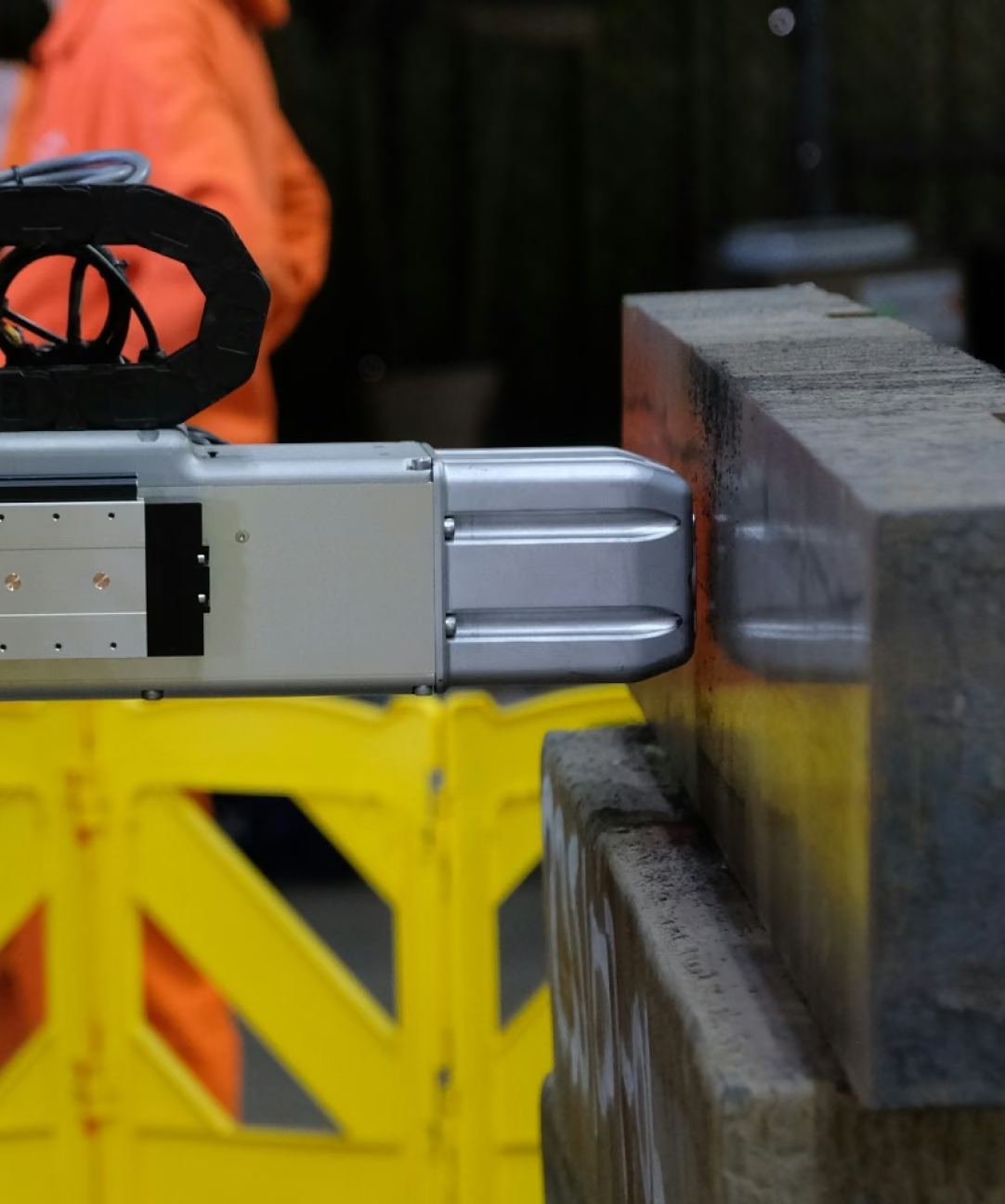
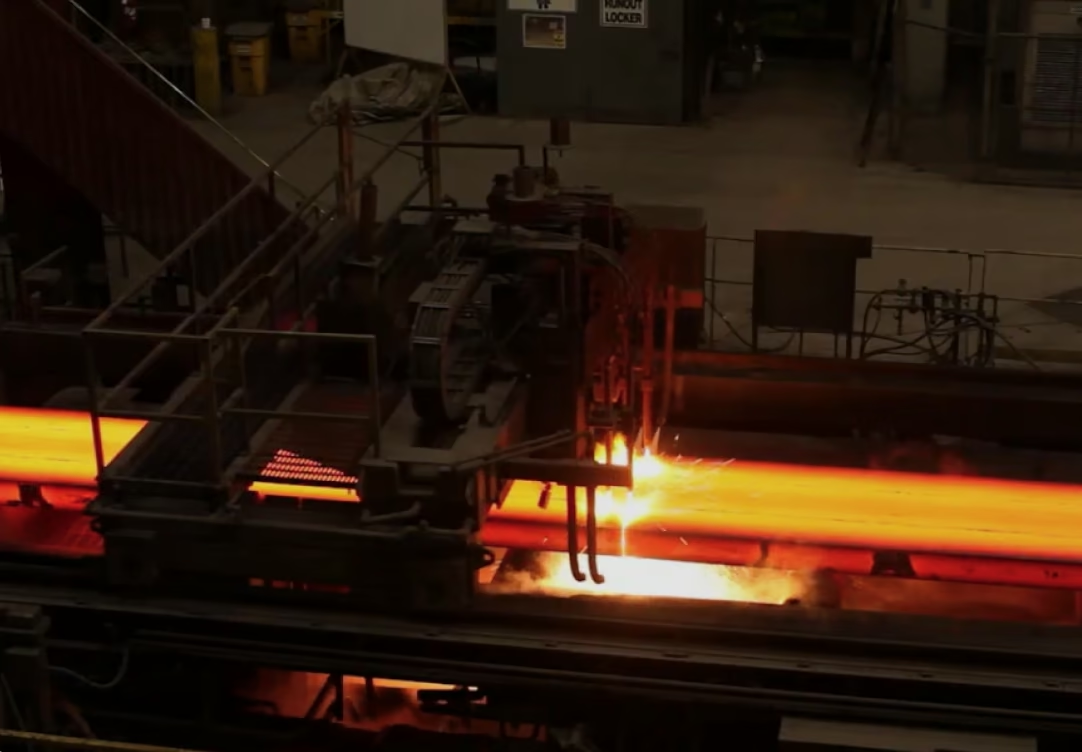

ArcelorMittal describes how ProSA fits into their centerline segregation workflow.
Built for an Industrial Environment
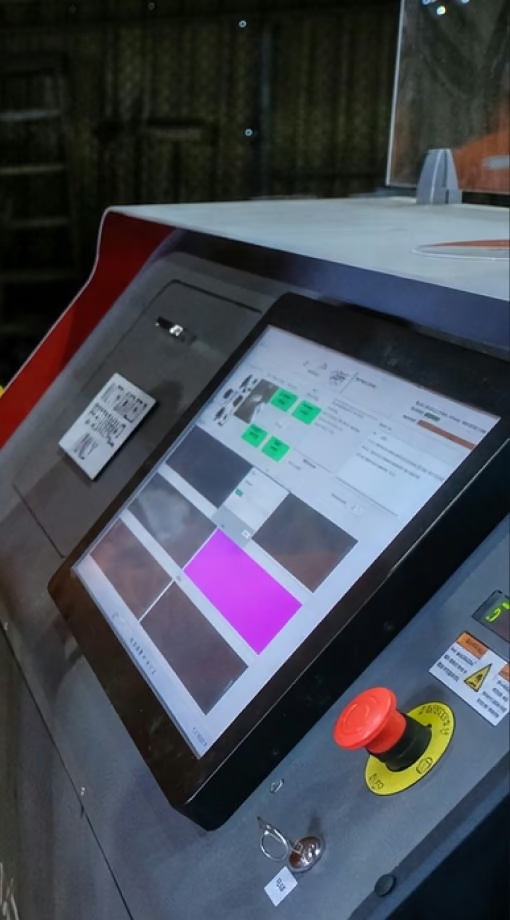
ProSA is designed as production equipment, not as a benchtop laboratory instrument placed near the line. Its operation, enclosure, controls, and service approach are intended for use in a steel-production environment.
Operator-Focused Operation
Routine measurements are designed to be performed by plant personnel rather than a dedicated spectroscopist. The workflow can be configured to simplify:
- Sample positioning
- Method selection
- Measurement initiation
- Result review
- Pass/fail decisions
- Data reporting
Industrial X-Ray Safety
ProSA is engineered for operation in staffed industrial areas with safety interlocks and an enclosed X-ray measurement design. Final safety requirements, site responsibilities, registration, and jurisdiction-specific compliance depend on the installation location and facility conditions. IXRF works with the customer to review the proposed installation and applicable radiation-safety requirements before commissioning.
Maintenance and Support
Industrial XRF equipment must fit within a plant's maintenance structure. The ProSA service plan can be coordinated around production schedules, system usage, facility conditions, and preventive-maintenance requirements. IXRF provides direct engineering, applications, and service support from the team responsible for the system.
Bring Composition Analysis to Your Production Floor
Tell us about your steel grades, elements of interest, sample format, production workflow, and required decision time. An IXRF engineer can help determine whether ProSA fits the application and define the appropriate analytical, installation, and support requirements.
ProSA systems are designed and built in Austin, Texas, with engineering, applications, and technical support provided directly by IXRF Systems.
Frequently
Asked Questions
Process XRF brings elemental analysis closer to the production line, allowing steel producers to measure composition and chemical variation without relying exclusively on a central laboratory. It is designed to provide actionable analytical data where production and quality decisions are made.
Laboratory XRF typically requires samples to be collected, transported, prepared, measured, and reported by laboratory personnel. Process XRF reduces this delay by placing automated elemental analysis at or near the production process for faster routine evaluation.
Process XRF can support quality and process evaluation around continuous casting, slab, billet, and bloom inspection, process development, and downstream quality control. The optimal measurement point depends on the plant workflow and the production decision the analysis is intended to support.
Process XRF can measure the distribution and concentration of elements relevant to alloy chemistry, segregation, compositional uniformity, and process control. The specific elements and analytical ranges are configured around the steel grades and production requirements of the facility.
Process XRF is designed to provide analytical results much closer to production than conventional off-line laboratory workflows. Actual cycle time depends on the number of measurement locations, elements of interest, acquisition conditions, sample preparation, and reporting requirements.
Yes. Automated positioning can collect measurements across predefined locations or scan paths on a steel section. This allows the system to evaluate elemental variation, segregation patterns, and compositional uniformity without requiring an operator to manually reposition the sample for every measurement.
By providing elemental data closer to the production line, process XRF can help identify compositional variation, segregation, or quality concerns earlier in the workflow. This can support faster investigation, process adjustment, material disposition, and communication between production and quality teams.
Not necessarily. Process XRF is often used alongside laboratory OES, conventional XRF, and other validated methods. Its primary advantage is providing faster, spatially resolved elemental information near production, while laboratory methods remain important for reference analysis, certification, and other established quality-control requirements.
A clean, relatively flat, and consistent measurement surface generally provides the most reliable results. Milling, grinding, or other surface preparation may be used depending on the analytical requirements, surface condition, steel grade, and level of quantitative accuracy required.
Routine measurements can be performed by trained production or quality personnel using automated methods and predefined analytical workflows. Method development, calibration, and advanced troubleshooting may involve metallurgical, laboratory, or IXRF technical specialists.